
Blog
 https://bodhimentalhealth.com/wp-content/uploads/chronic-medical-condition-depression-residential-care-weekly-pill-organizer.jpg
735
1200
Jonathan Beazley, CADC-CAS, M-RAS, CCMI-i
https://bodhimentalhealth.com/wp-content/uploads/bodhimentalhealth_logo.png
Jonathan Beazley, CADC-CAS, M-RAS, CCMI-i2026-10-13 17:45:032026-10-13 17:45:20Depression With a Chronic Medical Condition in Residential Treatment: How Medical Care Is Coordinated, What to Bring and What to Ask Before Admission
 https://bodhimentalhealth.com/wp-content/uploads/behavioral-activation-depression-beach-walk-sunset.jpg
735
1200
miaadmin
https://bodhimentalhealth.com/wp-content/uploads/bodhimentalhealth_logo.png
miaadmin2026-10-13 15:46:482026-10-13 15:47:12Behavioral Activation for Depression in Residential Treatment: How Activity Scheduling Works, How Sessions Are Paced and What to Ask
 https://bodhimentalhealth.com/wp-content/uploads/step-down-residential-mental-health-php-iop-garden-steps.jpg
735
1200
miaadmin
https://bodhimentalhealth.com/wp-content/uploads/bodhimentalhealth_logo.png
miaadmin2026-10-12 23:40:382026-10-12 23:40:49Stepping Down From Residential Mental Health Treatment to PHP or IOP: How the Weekly Hours Compare, How Timing Is Decided and What to Ask
 https://bodhimentalhealth.com/wp-content/uploads/bipolar-disorder-residential-treatment-window-green-hills.jpg
735
1200
Jonathan Beazley, CADC-CAS, M-RAS, CCMI-i
https://bodhimentalhealth.com/wp-content/uploads/bodhimentalhealth_logo.png
Jonathan Beazley, CADC-CAS, M-RAS, CCMI-i2026-10-12 17:41:452026-10-13 04:46:10Bipolar Disorder in Residential Treatment: How the Diagnosis Is Confirmed, How Stabilization Is Paced and What to Ask Before Admission
 https://bodhimentalhealth.com/wp-content/uploads/ect-severe-depression-course-schedule-residential-care.jpg
735
1200
Jonathan Beazley, CADC-CAS, M-RAS, CCMI-i
https://bodhimentalhealth.com/wp-content/uploads/bodhimentalhealth_logo.png
Jonathan Beazley, CADC-CAS, M-RAS, CCMI-i2026-10-12 15:42:342026-10-12 15:42:53ECT for Severe Depression: How a Course Is Scheduled, What Consent Involves and How It Fits Around Residential Care
 https://bodhimentalhealth.com/wp-content/uploads/mobile-crisis-team-home-visit-two-chairs-sunlit-window.jpg
735
1200
Jonathan Beazley, CADC-CAS, M-RAS, CCMI-i
https://bodhimentalhealth.com/wp-content/uploads/bodhimentalhealth_logo.png
Jonathan Beazley, CADC-CAS, M-RAS, CCMI-i2026-10-09 23:43:092026-10-09 23:43:29What a Mobile Crisis Team Does: How a Home Visit Works, How the Visit Ends and What Comes Next
 https://bodhimentalhealth.com/wp-content/uploads/interoceptive-exposure-panic-disorder-calm-shoreline.jpg
735
1200
Jonathan Beazley, CADC-CAS, M-RAS, CCMI-i
https://bodhimentalhealth.com/wp-content/uploads/bodhimentalhealth_logo.png
Jonathan Beazley, CADC-CAS, M-RAS, CCMI-i2026-10-08 23:41:412026-10-08 23:42:02Interoceptive Exposure for Panic Disorder in Residential Treatment: How the Exercises Work, How Sessions Are Paced and What to Ask
 https://bodhimentalhealth.com/wp-content/uploads/social-anxiety-disorder-residential-treatment-quiet-bench.jpg
735
1200
Jonathan Beazley, CADC-CAS, M-RAS, CCMI-i
https://bodhimentalhealth.com/wp-content/uploads/bodhimentalhealth_logo.png
Jonathan Beazley, CADC-CAS, M-RAS, CCMI-i2026-10-08 17:04:032026-10-08 17:04:27Social Anxiety Disorder in Residential Treatment: How the Assessment Works, How Group Therapy Is Paced and What to Ask Before Admission
 https://bodhimentalhealth.com/wp-content/uploads/ptsd-trauma-focused-therapy-residential-bench-overlooking-valley.jpg
735
1200
Jonathan Beazley, CADC-CAS, M-RAS, CCMI-i
https://bodhimentalhealth.com/wp-content/uploads/bodhimentalhealth_logo.png
Jonathan Beazley, CADC-CAS, M-RAS, CCMI-i2026-10-07 17:41:112026-10-13 04:46:13Trauma-Focused Therapy for PTSD in Residential Treatment: How Sessions Are Structured, How Long It Takes and What to Ask
 https://bodhimentalhealth.com/wp-content/uploads/seasonal-affective-disorder-autumn-window-light.jpg
735
1200
Jonathan Beazley, CADC-CAS, M-RAS, CCMI-i
https://bodhimentalhealth.com/wp-content/uploads/bodhimentalhealth_logo.png
Jonathan Beazley, CADC-CAS, M-RAS, CCMI-i2026-10-06 23:40:082026-10-06 23:40:20Seasonal Affective Disorder: How the Diagnosis Is Made, What Light Therapy Involves and What to Track Before the Clocks Change
 https://bodhimentalhealth.com/wp-content/uploads/ruling-out-medical-causes-depression-anxiety-blood-pressure-check.jpg
735
1200
Jonathan Beazley, CADC-CAS, M-RAS, CCMI-i
https://bodhimentalhealth.com/wp-content/uploads/bodhimentalhealth_logo.png
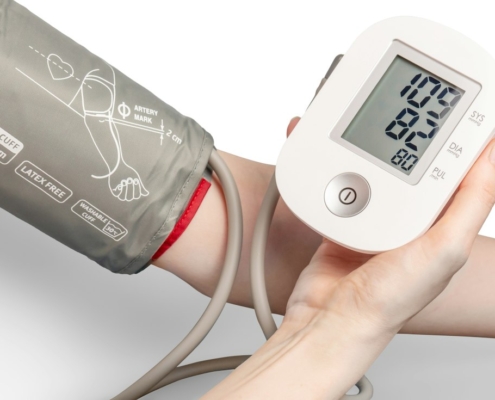
Jonathan Beazley, CADC-CAS, M-RAS, CCMI-i2026-10-06 20:42:492026-10-06 20:43:06Ruling Out Medical Causes of Depression and Anxiety: The Physical Exam, Lab Work and Records a Psychiatric Team Asks For
 https://bodhimentalhealth.com/wp-content/uploads/ocd-erp-residential-treatment-door-lever-lock.jpg
735
1200
Jonathan Beazley, CADC-CAS, M-RAS, CCMI-i
https://bodhimentalhealth.com/wp-content/uploads/bodhimentalhealth_logo.png
Jonathan Beazley, CADC-CAS, M-RAS, CCMI-i2026-10-05 23:40:582026-10-13 04:46:19Exposure and Response Prevention for OCD in Residential Treatment: How the Exposure Ladder Is Built and What a Session Looks Like
