
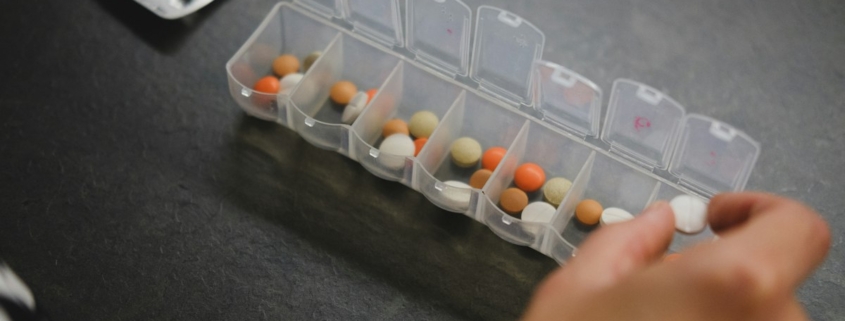
Many adults who need residential mental health care are also living with a long-term physical condition: diabetes, heart disease, chronic pain, an autoimmune illness, sleep apnea, a thyroid disorder. That second condition does not stop while depression or anxiety is being treated. Insulin still needs dosing, a cardiologist still expects follow-up, and a CPAP machine still needs to come along. This guide explains how residential mental health programs typically coordinate ongoing medical care, what to gather before admission, and which questions to ask on the first call so the medical side does not become a surprise in week one.
Why This Combination Is Common
The Centers for Disease Control and Prevention defines a chronic disease as a condition that lasts one year or more and requires ongoing medical attention, limits daily activities, or both. As of its May 2026 overview, the CDC reports that three in four American adults have at least one chronic condition and more than half have two or more, including 60% of adults ages 18 to 34. For anyone entering residential mental health treatment, that means a physical condition alongside the psychiatric one is the ordinary case, not the exception, and a program should have a routine way of handling it.
The link runs in both directions. According to the National Institute of Mental Health, people with a chronic disease are at higher risk of developing depression, and people with depression are at higher risk of certain chronic diseases, including heart disease, diabetes, stroke and pain conditions. NIMH also notes that research suggests people living with both tend to have more severe symptoms of each.
How the Two Conditions Feed Each Other
Clinical teams usually look at a few specific pathways when someone arrives with both a mood or anxiety disorder and a chronic illness. NIMH describes several of these:
- The stress of the illness itself: Ongoing symptoms, appointments, costs and uncertainty can wear down coping until anxiety or depression takes hold.
- Brain changes from the medical condition: Some conditions, such as Parkinson’s disease or stroke, affect the brain directly in ways that can trigger depression.
- Medication effects: Some medicines used to treat a chronic disease can contribute to mood symptoms, which is why the full medication list matters.
- Self-care that depression makes harder: Fatigue and low motivation make it harder to take medication on schedule, eat well, move, and keep medical appointments, so the physical condition can drift.
Families often notice the last one first. A parent’s blood sugar logs stop getting filled in. A partner skips physical therapy for the third week running. Refills lapse. Those changes are worth mentioning on an intake call, because they show the care team how depression is affecting daily functioning, which is part of how level of care is assessed.
What “Medically Stable” Means at Admission
A residential mental health program is not a hospital. It typically has nursing staff and psychiatric providers, but it is not set up for acute medical care such as IV treatment, continuous cardiac monitoring or post-surgical recovery. Because of that, most programs require that a chronic condition be stable and manageable in a residential setting before admission.
In practice, the admissions team will usually ask about recent hospitalizations, emergency visits, current medications and any equipment you rely on. If a condition is not well controlled, the program may ask for clearance from your primary care doctor or specialist first, or recommend a different starting point. That is not a judgment about how much you need help. It is a safety decision about which setting can handle both conditions at once. If you are unsure, call 877-883-0780 and describe the medical picture plainly; it is better to sort this out before the day you arrive.
How Medical Care Is Usually Coordinated During a Stay
Every program does this a little differently, but the moving parts are generally the same:
- Medication administration: Nursing staff usually manage all medications, including those for the physical condition, and log every dose. Most programs ask that medications arrive in original pharmacy-labeled containers so each one can be verified.
- Communication with outside doctors: With your written permission through a release of information, the psychiatric team can talk with your primary care doctor or specialist about medication interactions, lab results and changes.
- Outside appointments: Some specialist visits can be postponed until after discharge; others cannot. Ask how transportation works, who accompanies you, and how a visit is scheduled around therapy groups.
- Equipment and supplies: Glucose monitors, CPAP machines, mobility aids and similar items are usually allowed but often need to be cleared in advance, along with enough supplies for the stay.
- Diet and activity: If your condition requires a specific diet or limits physical activity, the kitchen and clinical staff need to know before you arrive, not on day three.
NIMH describes a “collaborative care” approach, in which primary care providers, care managers and psychiatric consultants work together, as one that research suggests can improve the overall health of people with depression. A residential stay is not the same model, but the principle carries over: the psychiatric team and your medical doctors should be talking to each other, not treating you in separate silos. Ask how that will happen.
Do This Today: Build a One-Page Medical Summary
Before the admission call, spend 20 minutes putting the following on a single page. It speeds up intake and reduces the chance that something important gets missed:
- Each chronic condition and the year it was diagnosed.
- Every current medication for the physical condition, with the dose and time of day you take it, plus the prescribing doctor’s name and phone number.
- Any hospitalizations or emergency visits in the past 12 months, with dates.
- Equipment you use daily and how many days of supplies you have on hand.
- Upcoming medical appointments in the next 60 days, marked “can reschedule” or “cannot miss.”
- Diet restrictions, allergies and activity limits.
Bring a printed copy and keep a photo of it on your phone. If a family member is helping with admission, give them a copy as well.
Questions to Ask Before Admission
These questions are worth asking any residential program you are considering:
- What medical conditions or recent events would mean I need clearance before admission, and from whom?
- Who on staff manages non-psychiatric medications, and how is a dose change from my specialist handled during the stay?
- Will someone on the psychiatric team contact my primary care doctor, and what release forms do I need to sign?
- If I have a specialist appointment I cannot miss, how do transportation and scheduling work?
- What equipment can I bring, and does it need to be approved in advance?
- What happens if my physical condition gets worse during the stay?
- How will my discharge plan include my medical follow-up, not only my mental health follow-up?
Insurance is a related question. Coverage for residential mental health care depends on your plan, and medical follow-up during a stay may be billed separately. You can check your insurance benefits before making a decision.
How Treatment Usually Approaches Both Conditions
NIMH is clear that depression is treatable even when a chronic disease is present. Treatment typically involves psychotherapy, medication, or both, and a provider will weigh existing medical conditions and current medications when choosing a plan. Any medication decisions are individual and belong with your prescribers; tell every provider about every medicine you take so they can check for interactions.
In a residential program, therapy often addresses the illness directly: grief over lost abilities, fear about the future, frustration with the medical system, and the habits that have slipped. Learning to keep up with medical self-care while depression is lifting is part of the work, not a side task. You can read more about the care options available on our treatment programs page.
If You Are in Crisis
Living with a serious physical illness and depression at the same time can feel overwhelming. If you or someone you love is having thoughts of suicide or is in emotional crisis, call or text the 988 Suicide and Crisis Lifeline at 988, or chat at 988lifeline.org. If anyone is in immediate danger, call 911 or go to the nearest emergency room. Residential treatment programs are not emergency services.
Talk With Our Admissions Team
Bodhi Mental Health helps adults in Northern California access residential mental health care for depression, anxiety, bipolar disorder, PTSD, OCD and panic disorder. If you are managing a chronic medical condition too, our admissions team can talk through what that means for timing, records and coordination with your doctors. Call 877-883-0780 to start the conversation.
This article is for educational purposes only and is not a substitute for professional medical or mental health advice, diagnosis or treatment. Always talk with a qualified health care provider about your specific situation, including any medication questions. If you are in crisis, call or text 988 or call 911 in an emergency.