
Ruling Out Medical Causes of Depression and Anxiety: The Physical Exam, Lab Work and Records a Psychiatric Team Asks For
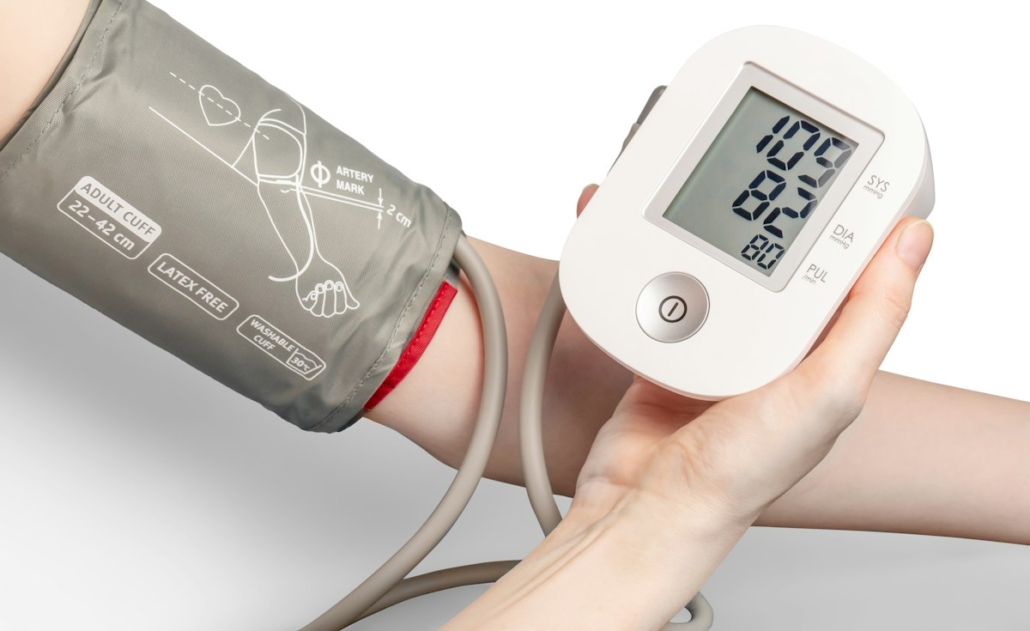
Table of Contents
Before a psychiatric team settles on a diagnosis of depression or an anxiety disorder, someone has to ask a plain medical question: could something else in the body be producing these symptoms? Fatigue, poor sleep, a racing heart, low mood and trouble concentrating can come from a mental health condition. They can also come from a thyroid problem, a lingering infection, a medication side effect or a change in substance use. This article walks through how that medical check usually works, what gets ordered, and what you can gather in advance so it does not slow down care.
Why a Medical Rule-Out Comes Before the Diagnosis
The National Institute of Mental Health states that certain medications and medical conditions, such as viruses or thyroid disorders, can cause the same symptoms as depression, and that a provider can rule out these possibilities through a physical exam, an interview and lab tests. NIMH also notes that a depression diagnosis requires symptoms most of the day, nearly every day, for at least 2 weeks, while generalized anxiety disorder requires difficulty controlling worry on most days for at least 6 months. Those time thresholds, checked at the NIMH source pages on October 6, 2026, are why a clinician asks how long symptoms have lasted and whether anything medical changed around the time they started. You can read the full descriptions in NIMH’s depression publication and its generalized anxiety disorder publication.
None of this means the symptoms are “not real” if a medical cause turns up. It means treatment is aimed at the right target. And very often, the medical workup comes back unremarkable, which is useful information in its own right: it lets the team focus on psychiatric care with more confidence.
What the Physical Exam and Interview Cover
The medical part of a mental health evaluation is usually less dramatic than people expect. It tends to include vital signs, a general physical exam and a detailed history. The history matters most. A clinician will typically ask:
- When the symptoms began, and whether anything changed around that time: a new diagnosis, a new prescription, a dose change, an illness, a pregnancy or postpartum period, or a shift in alcohol or drug use.
- Whether there is a personal or family history of thyroid disease, diabetes, heart problems, seizures or other chronic conditions.
- What every current medication and supplement is, including over-the-counter products, since some can affect mood, sleep or energy.
- How much caffeine, alcohol and nicotine are part of a typical day, since all three can affect anxiety and sleep.
- Whether there have been physical symptoms such as weight change, heat or cold intolerance, chest pain, fainting or unusual headaches.
Answering these honestly is not a test. Clinicians ask the same questions of everyone because the answers change what the next step should be.
Lab Work That Is Commonly Ordered
There is no single blood test that diagnoses depression or an anxiety disorder. Lab work is used to look for other explanations. Exactly what gets ordered depends on age, history and symptoms, and the decision belongs to the treating clinician. Commonly ordered tests may include a complete blood count, a basic or comprehensive metabolic panel, and thyroid function tests. Depending on the history, a clinician may also check certain vitamin levels, screen for substances, or order a pregnancy test. If a medication that needs blood-level or organ-function monitoring is being considered, baseline labs may be drawn before it is started.
Results that come back outside the normal range do not automatically explain the symptoms. A mildly abnormal value may be followed up, repeated or simply noted. That interpretation is a conversation to have with the prescriber, not something to work out from a portal message at midnight.
Common Reasons a Medical Cause Gets a Closer Look
Clinicians tend to look harder for a medical contributor in a few recognizable situations:
New symptoms later in life: A first episode of depression or significant anxiety that begins in middle or later adulthood, with no earlier history, prompts a more careful medical check.
A recent medication change: Symptoms that start soon after a new prescription or dose change raise the question of a side effect, which only the prescriber should evaluate.
Physical symptoms that do not fit: Unexplained weight change, persistent fevers, chest pain or neurological changes point toward a medical workup alongside psychiatric care.
A change in substance use: Starting, increasing or stopping alcohol or other substances can produce anxiety, low mood and sleep disruption on its own.
Treatment that is not working as expected: When symptoms do not respond as anticipated, a team may revisit whether a medical factor was missed.
How This Works Before Residential Treatment
When someone is being considered for residential mental health treatment, the program needs to know whether it can safely meet that person’s medical needs on site. A residential mental health program is not a hospital. That is why admissions teams commonly ask for recent medical records, a current medication list and, in some cases, recent lab results before or shortly after admission. If an urgent medical issue is uncovered, it generally has to be addressed first.
Here is an operational detail that slows people down more often than any clinical question: lab results ordered by a primary care office are usually sent back to that office and to the patient’s portal, not to the treatment program. The program cannot act on a result it has never received. Asking the primary care office to send results and visit notes directly to the admitting program, and confirming they arrived, often saves days. Our admissions team can help coordinate this at 877-883-0780.
Insurance can also shape timing. Some plans want documentation before authorizing a residential stay. If you are not sure what your plan requires, you can verify your insurance benefits before the first call so that paperwork is not the bottleneck.
What to Gather This Week
You can do most of the groundwork yourself, today, without waiting for anyone. Here is a short checklist:
- Request your most recent labs and visit notes. Call your primary care office or log in to your patient portal and download or request results from the past 12 months. Ask the office how to send them directly to another provider.
- Write down your medication list. Include every prescription, over-the-counter product and supplement, the dose, who prescribed it and roughly when it started. Bring the original labeled containers if you are admitting to a program.
- Note the timeline. On one page, write when the symptoms began and anything that changed in the months before: illnesses, prescriptions, life events, alcohol or substance use.
- Ask one direct question at your next appointment: “Has anything medical been ruled out for these symptoms, and is there any lab work you would want before treatment starts?”
That last question is worth asking even if you have been in mental health care for years. Records get split across providers, and a test that “someone probably ran” may never have been ordered.
What Families Notice and Can Share
Family members often see things the person in treatment does not mention. A partner may notice that the low mood started around the time a new prescription was filled. A parent may remember that a sibling or grandparent had thyroid disease. An adult child may have watched a parent’s drinking change over the past year. With the person’s written permission, these observations can be shared with the care team. If you are not sure what can be discussed, ask the program how it handles releases of information.
When Symptoms Are Urgent
A medical rule-out is part of planned care. It is not a reason to wait if someone is in danger. If you or someone you love is having thoughts of suicide or is in emotional crisis, call or text the 988 Suicide and Crisis Lifeline at 988, available 24 hours a day. SAMHSA explains how the 988 Lifeline works. If anyone is in immediate danger, or has symptoms such as chest pain, fainting or sudden confusion, call 911 or go to the nearest emergency room. Residential treatment programs are not emergency services.
Getting Started
Ruling out medical causes is a normal, often reassuring part of getting the right mental health care. It works best when records move quickly and the history is complete. If you are considering residential care for depression, anxiety, bipolar disorder, PTSD, OCD or panic disorder, you can review our treatment programs or call 877-883-0780 to talk through what records to gather and what the next step looks like.
This article is for educational purposes only and is not medical advice, a diagnosis or a substitute for evaluation by a qualified health care professional. Decisions about testing, diagnosis and medication should be made with a licensed clinician. Do not start, stop or change any medication without talking to your prescriber.


