
Blog
 https://bodhimentalhealth.com/wp-content/uploads/time-off-work-residential-mental-health-closed-laptop-table.jpg
735
1200
miaadmin
https://bodhimentalhealth.com/wp-content/uploads/bodhimentalhealth_logo.png
miaadmin2026-10-07 20:42:092026-10-07 20:42:40Taking Time Off Work for Residential Mental Health Treatment: What to Tell Your Employer, What Paperwork to Request and How to Plan the Return
 https://bodhimentalhealth.com/wp-content/uploads/ptsd-trauma-focused-therapy-residential-bench-overlooking-valley.jpg
735
1200
Jonathan Beazley, CADC-CAS, M-RAS, CCMI-i
https://bodhimentalhealth.com/wp-content/uploads/bodhimentalhealth_logo.png
Jonathan Beazley, CADC-CAS, M-RAS, CCMI-i2026-10-07 17:41:112026-10-13 04:46:13Trauma-Focused Therapy for PTSD in Residential Treatment: How Sessions Are Structured, How Long It Takes and What to Ask
 https://bodhimentalhealth.com/wp-content/uploads/seasonal-affective-disorder-autumn-window-light.jpg
735
1200
Jonathan Beazley, CADC-CAS, M-RAS, CCMI-i
https://bodhimentalhealth.com/wp-content/uploads/bodhimentalhealth_logo.png
Jonathan Beazley, CADC-CAS, M-RAS, CCMI-i2026-10-06 23:40:082026-10-06 23:40:20Seasonal Affective Disorder: How the Diagnosis Is Made, What Light Therapy Involves and What to Track Before the Clocks Change
 https://bodhimentalhealth.com/wp-content/uploads/ruling-out-medical-causes-depression-anxiety-blood-pressure-check.jpg
735
1200
Jonathan Beazley, CADC-CAS, M-RAS, CCMI-i
https://bodhimentalhealth.com/wp-content/uploads/bodhimentalhealth_logo.png
Jonathan Beazley, CADC-CAS, M-RAS, CCMI-i2026-10-06 20:42:492026-10-06 20:43:06Ruling Out Medical Causes of Depression and Anxiety: The Physical Exam, Lab Work and Records a Psychiatric Team Asks For
 https://bodhimentalhealth.com/wp-content/uploads/mental-health-care-navigation-call-woman-on-phone-by-water.jpg
735
1200
Jonathan Beazley, CADC-CAS, M-RAS, CCMI-i
https://bodhimentalhealth.com/wp-content/uploads/bodhimentalhealth_logo.png
Jonathan Beazley, CADC-CAS, M-RAS, CCMI-i2026-10-06 18:55:212026-10-06 18:55:42What Happens When You Call a Mental Health Care Navigation Line: The Insurance Check, the Program Match and What Stays Your Decision
 https://bodhimentalhealth.com/wp-content/uploads/measuring-progress-residential-mental-health-mountain-path-sunrise.jpg
735
1200
Jonathan Beazley, CADC-CAS, M-RAS, CCMI-i
https://bodhimentalhealth.com/wp-content/uploads/bodhimentalhealth_logo.png
Jonathan Beazley, CADC-CAS, M-RAS, CCMI-i2026-10-06 16:31:032026-10-13 04:46:17How Progress Is Measured in Residential Mental Health Treatment: What PHQ-9 and GAD-7 Scores Show and What to Ask
 https://bodhimentalhealth.com/wp-content/uploads/ocd-erp-residential-treatment-door-lever-lock.jpg
735
1200
Jonathan Beazley, CADC-CAS, M-RAS, CCMI-i
https://bodhimentalhealth.com/wp-content/uploads/bodhimentalhealth_logo.png
Jonathan Beazley, CADC-CAS, M-RAS, CCMI-i2026-10-05 23:40:582026-10-13 04:46:19Exposure and Response Prevention for OCD in Residential Treatment: How the Exposure Ladder Is Built and What a Session Looks Like
 https://bodhimentalhealth.com/wp-content/uploads/finding-residential-mental-health-care-findtreatment-national-helpline.jpg
735
1200
Jonathan Beazley, CADC-CAS, M-RAS, CCMI-i
https://bodhimentalhealth.com/wp-content/uploads/bodhimentalhealth_logo.png
Jonathan Beazley, CADC-CAS, M-RAS, CCMI-i2026-10-05 20:42:272026-10-05 20:42:46Using FindTreatment.gov and SAMHSA’s National Helpline to Find Residential Mental Health Care: How Each Works and What to Check Next
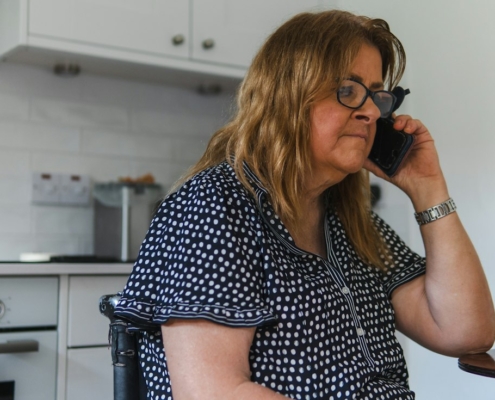 https://bodhimentalhealth.com/wp-content/uploads/calling-988-about-a-family-member-kitchen-phone-call.jpg
735
1200
miaadmin
https://bodhimentalhealth.com/wp-content/uploads/bodhimentalhealth_logo.png
miaadmin2026-10-05 17:42:172026-10-05 17:42:41Calling 988 About a Family Member: What Happens on the Call and What to Have Ready
 https://bodhimentalhealth.com/wp-content/uploads/starting-psychiatric-medication-residential-treatment-daily-log-journal.jpg
735
1200
Jonathan Beazley, CADC-CAS, M-RAS, CCMI-i
https://bodhimentalhealth.com/wp-content/uploads/bodhimentalhealth_logo.png
Jonathan Beazley, CADC-CAS, M-RAS, CCMI-i2026-10-05 16:34:202026-10-13 04:46:22Starting a New Psychiatric Medication in Residential Treatment: What the First 4 to 8 Weeks Look Like and What to Report
 https://bodhimentalhealth.com/wp-content/uploads/family-sessions-residential-mental-health-treatment.jpg
735
1200
Jonathan Beazley, CADC-CAS, M-RAS, CCMI-i
https://bodhimentalhealth.com/wp-content/uploads/bodhimentalhealth_logo.png
Jonathan Beazley, CADC-CAS, M-RAS, CCMI-i2026-10-02 23:42:332026-10-13 04:46:25Family Sessions During Residential Mental Health Treatment: How They Are Scheduled, What Gets Discussed and How to Prepare
 https://bodhimentalhealth.com/wp-content/uploads/medication-history-residential-mental-health-kitchen-table.jpg
735
1200
Jonathan Beazley, CADC-CAS, M-RAS, CCMI-i
https://bodhimentalhealth.com/wp-content/uploads/bodhimentalhealth_logo.png
Jonathan Beazley, CADC-CAS, M-RAS, CCMI-i2026-10-02 20:42:132026-10-13 04:46:28Your Medication History Before Residential Mental Health Treatment: How to Build the List the Psychiatric Team Will Ask For
