
Diabetes With Depression or Anxiety in Residential Mental Health Treatment: How Intake Plans Glucose Checks and Meals, What CDC’s 2-to-3-Times Figure Means and What to Ask
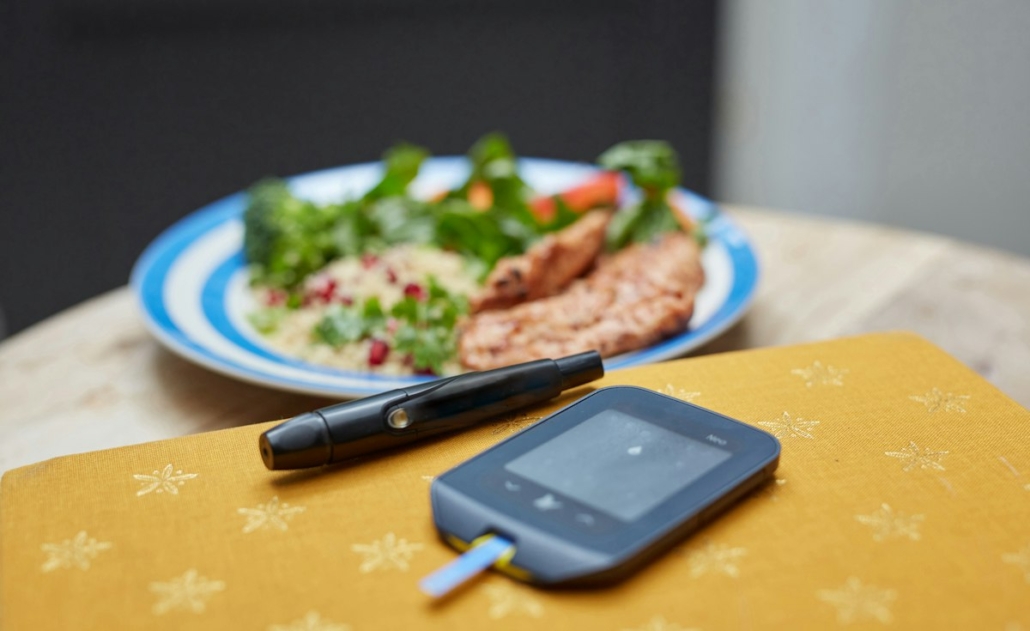
Table of Contents
Adults who live with type 1 or type 2 diabetes and are also dealing with depression or anxiety often ask the same practical question before a residential stay: who will keep an eye on my blood sugar while I focus on my mental health? A residential mental health program is not a hospital, and diabetes care does not pause because the treatment focus has shifted. This guide walks through how intake usually handles diabetes, what tends to change in the first week, and what to ask before you agree to an admission date.
What CDC’s 2-to-3-Times Figure Means for a Residential Admission
According to the Centers for Disease Control and Prevention, people with diabetes are 2 to 3 times more likely to have depression than people without diabetes, and only 25% to 50% of people with diabetes who have depression get diagnosed and treated. For an adult with diabetes who is being assessed for residential mental health treatment, that means the depression may have gone unrecognized for a long time, and the diabetes plan and the mental health plan need to be built together at intake rather than one after the other.
The same CDC page on diabetes and mental health notes that people with diabetes are 20% more likely than those without diabetes to have anxiety, and that in any 18-month period, 33% to 50% of people with diabetes have diabetes distress. These figures describe large groups and do not predict any one person’s course, but they explain why a careful intake team asks about diabetes in detail instead of treating it as one line on a medical history form.
Why Diabetes and Depression Pull on Each Other
The National Institute of Mental Health describes a two-way link: people who have a chronic disease are at higher risk of developing depression, and people who have depression are at higher risk of developing certain chronic diseases, including diabetes. In day-to-day terms, a few mechanisms come up again and again:
- Stress hormones: The CDC notes that stress hormones can make blood sugar rise or fall unpredictably, so a hard week emotionally can show up on a glucose log.
- Look-alike symptoms: Anxiety can feel like low blood sugar and the reverse, which makes it harder to know which one to respond to in the moment.
- Self-care load: Depression can drain the energy needed for checking, dosing, cooking and keeping appointments, and missed diabetes care can then make mood worse.
- Diabetes distress: Burnout from daily diabetes management can look like depression or anxiety, but the CDC says it is not treated effectively with medicine, so it needs its own plan.
How Intake Usually Records Your Diabetes
Details vary by program, but a residential intake for an adult with diabetes typically covers:
- The type of diabetes, how long you have had it and who manages it, such as primary care, endocrinology or both.
- Your current diabetes medicines and devices as you actually use them, not only as prescribed. Intake teams generally want the real routine, including missed doses,.
- Recent lab results and any history of severe lows, very high readings that needed emergency care, or hospital stays.
- How you check glucose: fingersticks, a continuous glucose monitor (CGM), an insulin pump or a combination.
- Meal and snack timing, and any other dietary requirements.
- Whether you manage your own checks and dosing, and how much staff support you want or need.
Some programs can support complex regimens and some cannot. A program that is not equipped for a specific device or level of medical oversight should say so before admission, not after.
The Phone Problem Most Families Do Not See Coming
Here is an operational detail that catches people off guard. Many continuous glucose monitors send readings to a smartphone app, and many residential programs limit phone use, especially in the first days of a stay. If your CGM depends on your phone, ask before admission how the program handles it. Options can include keeping the phone for that purpose with other apps restricted, using a separate dedicated reader, or switching to fingerstick checks for the stay with your diabetes prescriber’s input. Do not assume the device policy has an automatic exception. Ask, and get the answer in writing if you can.
The same goes for supplies. Ask whether the program’s pharmacy can fill your diabetes medicines and supplies under your plan, or whether you should bring enough for the planned stay plus a buffer. Sensors, test strips and pump supplies are easy to forget.
What the First Week Often Looks Like
People with diabetes often notice their numbers shift during the first days of a residential stay. Meal times are fixed, food choices may differ from home, there may be more walking and structured activity, sleep usually changes, and the stress of arriving somewhere new is real. None of that is unusual, but it can mean more frequent checks at first, and medical staff may adjust the plan in coordination with your prescriber.
Some people also find that a predictable daily schedule makes diabetes care easier than it has been in months. Families sometimes notice that a loved one who had stopped checking regularly is logging readings again by the end of the first week, because checks are built into the day. That is not guaranteed, and it is not a cure for anything, but it is a common and encouraging pattern.
Overnight lows are worth raising specifically. Ask what night staff do if a CGM alarm sounds or you wake up feeling shaky or sweaty, and who they contact.
Five Questions to Ask Before You Agree to an Admission Date
Write these down and ask them on the admissions call. If you are calling for a family member, have their medication and supply list in front of you.
- Can your medical team support my specific diabetes medicines and devices, including a CGM or pump?
- If my CGM reads through my phone, how will I see my readings under your device policy?
- Who checks on me overnight, and what is the plan for a low or a very high reading?
- Will you coordinate with my endocrinologist or primary care doctor during the stay, and which release form do I need to sign for that?
- Can the team address diabetes distress separately from depression, and who handles that?
Before the call, take ten minutes today to write out your actual daily diabetes routine on one page: when you check, what you take and when, what you eat at a typical breakfast, lunch and dinner, and any notable lows or highs over the past three months. That single page makes intake faster and safer. Our team can help you verify your insurance benefits and talk through which programs fit your medical needs. Call 877-883-0780 to start.
How Medication Questions Are Handled
Psychiatric medicines and diabetes medicines can interact, and some psychiatric medicines can affect appetite, weight or blood sugar. NIMH advises telling your provider about all the medications you take and treatments you receive so they do not interfere with one another. In practice, that means your psychiatric prescriber and your diabetes prescriber should both know what the other is doing. This article does not recommend any medication or dose. Those decisions belong with your own prescribers.
When Residential Care Fits, and When It Does Not
Residential mental health treatment may be considered when depression or anxiety has not improved with outpatient care, when symptoms are making daily diabetes management unsafe, or when home has become too unstructured to recover in. You can read more about how residential mental health treatment works and compare levels of care on our treatment programs page. If diabetes itself is medically unstable, such as repeated severe lows or very high readings during an illness, that usually needs medical care first.
A residential program is not an emergency service. If you or someone you love is having thoughts of suicide or self-harm, or has stopped diabetes care out of hopelessness, call or text the 988 Suicide and Crisis Lifeline at 988. For immediate danger or a medical emergency, call 911 or go to the nearest emergency room. SAMHSA’s National Helpline at 1-800-662-4357 offers free, confidential treatment referral information 24 hours a day, 365 days a year.
Getting Both Conditions Into One Plan
If depression or anxiety is making diabetes harder to manage, or diabetes is wearing down your mood, you do not have to sort out both alone. Call 877-883-0780 to talk with our admissions team about your diabetes routine, your mental health symptoms and which residential options can support both.
This article is for educational purposes only and is not medical advice, diagnosis or treatment. It does not replace care from your own physician, endocrinologist, psychiatrist or other qualified health care provider. Always talk with your providers before changing any medication or diabetes routine. Program capabilities and policies vary.


