
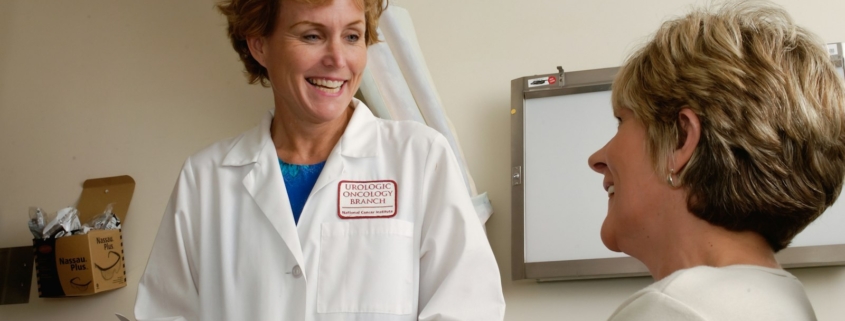
Psychiatrist reviewing patient chart during clinical medication assessment

Bipolar disorder is often discussed as a single condition, but bipolar I and bipolar II are clinically distinct diagnoses with different medication regimens, different suicide risk profiles, different psychotherapy needs, and different expected lengths of stay in residential care. A precise subtype diagnosis is one of the most consequential decisions a psychiatric team makes because it dictates almost every downstream treatment choice.

At Bodhi Mental Health near San Jose and Aptos, our psychiatric team routinely admits patients whose prior outpatient treatment was calibrated to the wrong bipolar subtype — and whose symptoms improved dramatically once the diagnosis and pharmacology were re-aligned. This article explains the clinical differences between bipolar I and bipolar II, why residential observation is often the only way to make the distinction confidently, and how our residential program tailors treatment to each subtype.

The Core Clinical Difference

The DSM-5-TR distinguishes the two subtypes on a single, high-stakes criterion: the presence or absence of a full manic episode.

  • Bipolar I requires at least one lifetime manic episode — a discrete period of elevated, expansive, or irritable mood plus increased energy lasting at least 7 days (or any duration if hospitalization is required), causing marked impairment or including psychotic features. Depressive episodes are common but not required for diagnosis.
  • Bipolar II requires at least one hypomanic episode (4+ consecutive days of elevated mood and increased energy that is observable but does not cause marked impairment or require hospitalization) plus at least one major depressive episode. A patient who has ever had a full manic episode is reclassified as bipolar I.

According to the National Institute of Mental Health, bipolar II patients spend far more time in depression than in hypomania — a ratio of roughly 37:1 — which is one reason misdiagnosis as unipolar major depression is so common.

Why Subtype Is So Often Missed in Outpatient Care

Correctly identifying subtype is difficult in a 20-minute outpatient visit because:

  • Patients present during depressive episodes, when past hypomania feels normal or productive rather than pathological
  • Hypomania is ego-syntonic — patients rarely complain about it
  • Family history is often incomplete at intake
  • Substance use, sleep deprivation, and stimulant medications can mimic or mask mood states
  • Mixed features (simultaneous depressive and manic symptoms) confuse the categorical picture

Residential observation over 3–4 weeks gives the psychiatric team what outpatient care structurally cannot: continuous sleep, appetite, energy, speech, and behavior data collected by trained nursing staff. This is often the difference between a definitive diagnosis and years of trial-and-error prescribing.

Has bipolar disorder been repeatedly re-diagnosed or unresponsive to medication?

Bodhi Mental Health’s psychiatric team specializes in complex mood disorder assessment during residential admission. Call (877) 883-0780 for a confidential consultation with a licensed clinician.

Medication Protocols Diverge by Subtype

The American Psychiatric Association practice guidelines outline meaningfully different first-line pharmacotherapy for each subtype.

Bipolar I Medication Considerations

  • Lithium remains a first-line mood stabilizer with the strongest suicide-reduction evidence of any psychiatric medication
  • Divalproex (Depakote) for mixed features or rapid cycling
  • Second-generation antipsychotics (quetiapine, olanzapine, aripiprazole, risperidone, cariprazine, lurasidone) for acute mania and maintenance
  • Combination therapy (mood stabilizer + antipsychotic) is often required for breakthrough episodes
  • Cautious use of antidepressants — risk of manic switch is highest in bipolar I

Bipolar II Medication Considerations

  • Quetiapine and lurasidone have the strongest evidence for bipolar II depression
  • Lamotrigine is particularly useful for the depression-dominant course typical of bipolar II
  • Lithium remains appropriate for maintenance and suicide prevention
  • Antidepressants may be used more liberally than in bipolar I but with mood stabilizer coverage
  • Careful monitoring for hypomanic switch, especially with SSRIs and SNRIs

Residential admission allows for supervised medication initiation, cross-tapers, and side effect management — including lithium level titration, thyroid and renal monitoring, and metabolic surveillance for antipsychotics.

Psychotherapy Emphases Also Differ

Both subtypes benefit from psychoeducation and relapse prevention, but the therapeutic emphasis shifts:

  • Bipolar I patients typically require intensive relapse prevention around mania — sleep hygiene, prodromal warning signs, family-based crisis planning, and interpersonal social rhythm therapy (IPSRT) to stabilize circadian patterns
  • Bipolar II patients often need more sustained work on depression, anxiety comorbidity, and — because functional impairment can be equally severe despite less dramatic highs — vocational and relationship rehabilitation
  • Both subtypes benefit from cognitive behavioral therapy for bipolar, DBT skills for emotion regulation, and family-focused therapy

Suicide Risk and Length of Stay

A common misconception is that bipolar I is “more severe” than bipolar II. In terms of suicide risk, this is not necessarily true. The Substance Abuse and Mental Health Services Administration and multiple meta-analyses have documented that suicide attempt rates in bipolar II are at least as high as in bipolar I, likely because bipolar II patients spend more time depressed and are more often misdiagnosed and undertreated.

Our residential length-of-stay recommendations reflect this clinical reality:

  • Bipolar I acute stabilization: 30–45 days is typical, longer for post-manic depression or psychotic features
  • Bipolar II with suicidal depression: 30–60 days is common, with emphasis on medication response, safety planning, and step-down structure
  • All patients are transitioned into structured outpatient or virtual therapy aftercare with warm handoffs to community psychiatry

What Bodhi’s Residential Bipolar Program Actually Looks Like

A patient admitted to our program for suspected or confirmed bipolar disorder can expect:

  • Full psychiatric evaluation within 24 hours by a board-certified psychiatrist
  • Structured longitudinal collateral history from family (with consent) to clarify past mood episodes
  • Nurse-driven daily mood, sleep, and energy tracking with clinician review
  • Individual therapy 3–5 times per week with a master’s-level clinician trained in bipolar-specific modalities
  • Evidence-based groups including CBT for bipolar, DBT skills, IPSRT, and psychoeducation
  • Medication management with lab monitoring, pharmacogenomic testing when appropriate, and access to advanced modalities
  • Family therapy and psychoeducation sessions
  • Structured discharge planning with outpatient psychiatry, therapy, and, when indicated, sober living or MAT for co-occurring substance use

Get a Definitive Bipolar Diagnosis in a Safe, Supervised Setting

Bodhi Mental Health offers residential psychiatric care near San Jose and Aptos for complex bipolar spectrum presentations. Confidential insurance verification takes just a few minutes.

Call (877) 883-0780 — Available 24/7

Nurse securing an IV catheter in a patient during a monitored ketamine infusion in a residential mental health setting

For a person whose depression has not responded to two or more adequate trials of standard antidepressants, the treatment options that remain are meaningfully different from the standard first-line playbook. Ketamine and its FDA-approved cousin esketamine (Spravato) have moved from experimental to mainstream over the past decade, and integrating them into a residential mental health stay is now one of the most effective ways to shorten the arc from acute suicidal depression to stable remission. At Bodhi Mental Health, we build ketamine and esketamine protocols into residential care for patients whose depression has resisted the standard sequence.

This article covers how ketamine and esketamine differ, the evidence supporting their use in treatment-resistant depression, why the residential setting is often the right place to initiate treatment, how we sequence infusions or intranasal dosing with psychotherapy, and the safety monitoring that has to happen alongside every dose.

How Ketamine and Esketamine Differ

Ketamine is a racemic anesthetic that has been in medical use for decades and is administered off-label for depression, typically by intravenous infusion at sub-anesthetic doses. Esketamine is the S-enantiomer of ketamine, formulated as an intranasal spray and FDA-approved specifically for treatment-resistant depression and for major depressive disorder with acute suicidal ideation. The FDA approved Spravato in 2019 under a Risk Evaluation and Mitigation Strategy that requires administration in a certified healthcare setting.

Both act primarily on NMDA glutamate receptors, a different mechanism than the monoamine reuptake pathway of standard antidepressants. This is why they often work in patients who have failed multiple SSRIs and SNRIs, and why response can occur within hours to days rather than the four to six weeks typical of standard antidepressants. The National Institute of Mental Health summarizes the current evidence base for both agents.

Why the Residential Setting Is Often the Right Place to Start

Initiating ketamine or esketamine treatment requires close clinical monitoring for the first few doses because dissociative side effects and transient blood pressure elevations are common in the two hours immediately after administration. In an outpatient model, patients drive to a clinic, receive the dose, are observed for two hours, and are then discharged home, often to arrange their own follow-up. In a residential setting, the same patient stays on-site with twenty-four-hour clinical support, which matters most for patients who are severely depressed or actively suicidal.

The residential setting also makes it possible to integrate the medication with intensive daily therapy in a way that outpatient dosing cannot. A patient can receive an esketamine dose in the morning and process the emerging cognitive shifts in individual therapy that afternoon, and again in group therapy the next day. Read our companion article on TMS therapy in residential mental health treatment-resistant depression for how we sequence other neuromodulation options.

The Evidence Base for Treatment-Resistant Depression

The pivotal esketamine trials showed statistically significant improvement in depression rating scales compared with placebo when added to a newly initiated oral antidepressant, and durability studies have shown that maintenance dosing extends remission. Racemic IV ketamine has a larger clinical experience base though a smaller regulatory footprint, and the two are often used interchangeably in clinical practice depending on formulary, insurance coverage, and patient preference.

For patients with major depressive disorder and acute suicidal ideation, the specific indication esketamine holds, the evidence is particularly strong that the medication can reduce suicidal ideation within twenty-four hours in a way no other antidepressant can match. The 988 Suicide and Crisis Lifeline is always the first resource for anyone in acute crisis; residential ketamine or esketamine care is one of the higher-acuity treatment options once a patient is medically stable. See our overview on when severe symptoms warrant residential treatment.

How We Sequence Ketamine or Esketamine with Psychotherapy

The typical Spravato induction is twice-weekly dosing for four weeks, then weekly for four weeks, then every one to two weeks for maintenance. IV ketamine protocols vary but often use a series of six infusions over two to three weeks during acute treatment. In our residential program, the medication schedule is timed to align with a structured therapy calendar that includes daily individual sessions, DBT skills groups, and specific integration sessions to make use of the neuroplasticity window that follows dosing.

Ketamine and esketamine appear to open a period of increased neuroplasticity in the hours to days after a dose, during which the brain may be more responsive to therapy. We time cognitive and processing work to that window rather than to arbitrary calendar slots. See our related post on GeneSight vs Genomind for treatment-resistant depression for how pharmacogenomic testing can inform which oral antidepressant we pair with esketamine.

Safety Monitoring and Contraindications

Blood pressure is measured before dosing and at forty and ninety minutes after. Dissociation is expected in the first two hours and typically resolves without intervention. Nausea, dizziness, and sedation are also common. Patients cannot drive for the remainder of the day after any dose, which is another argument for the residential setting during induction. Contraindications include uncontrolled hypertension, active psychosis, and a history of aneurysmal vascular disease.

Ongoing monitoring throughout treatment includes standardized depression and suicidality scales, side effect tracking, and coordination with the outpatient psychiatrist who will manage maintenance dosing after discharge. Our related post on DBT in residential mental health treatment covers one of the therapy modalities we most often pair with ketamine or esketamine dosing.

Getting Started at Bodhi Mental Health

If depression has not responded to two or more antidepressants at adequate dose and duration, or if suicidal ideation is present, a residential mental health stay with integrated ketamine or esketamine can be a meaningful option worth discussing. Our admissions team can complete a clinical assessment by phone and verify PPO insurance benefits typically within an hour.

Call Bodhi Mental Health at 877-883-0780 to speak with an admissions counselor today, or visit our admissions page to begin the process online.

Psychiatrist reviewing an Internal Family Systems treatment plan with a client during a residential mental health program consultation

Internal Family Systems (IFS) therapy has become one of the most widely requested modalities in residential mental health treatment for adults navigating complex trauma, severe depression, and post-traumatic stress. Developed by Richard Schwartz in the 1980s and formally recognized by the SAMHSA National Registry of Evidence-Based Programs and Practices, IFS is neither a coping-skills class nor a talk-therapy add-on. It is a structured, relational approach that changes how a person relates to their own internal experience — and, in residential settings, it produces measurable shifts within weeks rather than years.

At Bodhi Mental Health in Northern California, IFS is offered as part of a comprehensive residential program that integrates neuromodulation, pharmacogenomic-guided medication, and evidence-based psychotherapy. This guide explains what IFS is, why residential intensity matters for trauma work, and how the therapy fits into a typical 30- to 60-day admission.

What Internal Family Systems Therapy Actually Is

The core premise of IFS is that the mind is naturally multiple. Rather than viewing the psyche as a single unified voice, IFS holds that everyone contains a system of distinct parts — a critical inner voice, a wounded younger self, a protector that shuts down when overwhelmed, a numbing part that reaches for food or alcohol, and so on — organized around a core Self that is calm, curious, and compassionate.

Trauma disrupts that system. Parts that developed to protect the child become rigid and extreme in the adult. A person who learned to disappear during a chaotic childhood may find that a “numbing” part hijacks their nervous system whenever conflict arises, even decades later. IFS therapy does not try to eliminate those parts. Instead, the therapist helps the client access Self and, from that centered place, form a new relationship with the parts — hearing what they are protecting, thanking them, and gently updating them.

The National Institute of Mental Health (NIMH) recognizes trauma-focused psychotherapies including IFS-adjacent modalities as first-line for complex PTSD, and randomized controlled trial evidence supports IFS for adults with PTSD symptoms following childhood abuse.

Why IFS Belongs in a Residential Program

IFS work is powerful and can be destabilizing between sessions, especially for clients with complex trauma or active suicidality. In outpatient therapy at 50 minutes a week, a client who accesses a deeply protected part in session may spend the following six days flooded with emotion, without the clinical support to metabolize it. Residential settings solve that problem structurally.

Inside a residential program, IFS therapy is layered into a full day of stabilization: individual sessions two to three times per week, daily group therapy, medication management, and 24/7 clinical availability. Clients doing hard trauma work in the morning have access to a nurse, a therapist, and a milieu of peers doing the same work by afternoon. That containment is what makes IFS accessible to people who could not safely do the work at any lower level of care. See our post on when outpatient therapy isn’t enough for a broader discussion of clinical thresholds.

What an IFS Session Looks Like in Residential Treatment

A typical IFS session begins with the client and therapist identifying a part that feels prominent — often the one running the show during a recent difficult moment. The therapist asks the client to notice where they feel that part in their body, then to check how they feel toward it. If the client reports irritation, fear, or judgment, those are other parts also present. The therapist gently asks those parts to step back so the client can meet the target part from Self.

From Self, the client asks the part what it wants them to know. In residential settings — where the client has slept eight hours, taken their medication, and has no immediate life stressors — this dialogue often surfaces material that would take months to access in outpatient care. The therapist tracks the system, notes protective dynamics, and helps the client update parts that are still living inside old trauma.

Between sessions, clients often continue the work through parts journaling, guided IFS meditations, and structured processing groups. Sessions integrate naturally with modalities like brainspotting and DBT, which many residential programs sequence alongside IFS depending on the client’s clinical profile.

Speak with a Bodhi Mental Health admissions clinician.

Our Northern California team is available seven days a week to verify insurance, review clinical needs, and coordinate admission. Call 877-883-0780 or start a confidential application online.

Who Is a Good Candidate for IFS in Residential Care

IFS works particularly well for adults with:

  • Complex trauma or childhood abuse histories that have not responded fully to outpatient therapy
  • Treatment-resistant depression with a strong self-critical or self-loathing internal voice
  • Chronic dissociation, emotional numbing, or a sense of feeling “split” internally
  • Co-occurring eating disorders, self-harm, or substance-use behaviors that the client experiences as being driven by “a part of me”
  • Perfectionism and high-functioning depression that has become unsustainable

IFS is not the right first modality for every client. People in acute psychosis or severe mania need stabilization with medication and structure before trauma work. Clients with active suicidal intent typically start with safety planning and DBT skills before entering deep IFS territory. Our admissions team screens for these considerations before every intake.

How IFS Fits With Medication, TMS, and Other Modalities

A residential admission is rarely single-modality. IFS is most powerful when combined with the right medication regimen and, for treatment-resistant clients, neuromodulation. Clients whose depression has not responded to multiple medication trials often receive TMS therapy alongside psychotherapy, and GeneSight pharmacogenomic testing helps our psychiatrists select medications that the client’s metabolism can tolerate.

For clients with severe PTSD who need trauma-processing before IFS parts work becomes accessible, we may sequence a phase of stabilization and skills-building first. See our related posts on residential treatment for severe PTSD and complex trauma and residential care.

Start Residential Mental Health Treatment in Northern California

If outpatient therapy has not moved the needle on complex trauma, depression, or dissociation, an integrated residential program that includes IFS may be the next step. Bodhi Mental Health provides that intensity in a private, low-census Northern California setting.

Call our admissions clinicians at 877-883-0780 or verify your insurance benefits online. Confidential consultations available seven days a week.

Pharmacogenomic Testing (GeneSight) in Residential Mental He

The trial-and-error model of psychiatric prescribing — try an SSRI for 6 to 8 weeks, wait for response, switch if it does not work, wait again — is the source of enormous suffering for people with treatment-resistant depression, anxiety, and OCD. Each failed medication trial is another two months lost. For residents entering our program after years of that cycle, one of the most useful early interventions is a single cheek-swab test that maps how their liver metabolizes psychiatric medications.

Pharmacogenomic testing — commonly branded as GeneSight or Genomind — has moved from novel to standard-of-care in the residential mental health space over the past several years. At Bodhi Mental Health we integrate pharmacogenomic testing into the assessment protocol for most residents whose history warrants it. Here is what the test actually reveals, how the clinical team uses the results, and where the limits of the technology are — because it is not a magic answer, and framing it as one leads to disappointment.

What Pharmacogenomic Testing Actually Measures

The core of pharmacogenomic testing is a look at specific liver enzymes — primarily the CYP450 family — that metabolize psychiatric medications. Each person inherits variants of the genes coding for these enzymes, and the variants determine whether the person metabolizes a given medication rapidly, normally, or slowly. Clinically, this matters because:

  • An ultra-rapid metabolizer clears certain medications so fast that standard doses never reach therapeutic levels
  • A poor metabolizer accumulates the medication and experiences side effects at doses that would be routine for others
  • Intermediate patterns explain why some patients "need the maximum dose" while others tolerate only fractions of the label

The test also looks at pharmacodynamic genes — for example, variants in the serotonin transporter gene (SLC6A4) that correlate with SSRI response likelihood — though the clinical utility of these markers is still debated.

Who Should Get Tested in a Residential Setting

Pharmacogenomic testing is not automatically indicated for every resident. It is most useful for:

  • Residents with two or more failed antidepressant trials at adequate dose and duration
  • Residents with a history of severe medication side effects at standard doses
  • Residents on complex polypharmacy who need medication rationalization
  • Residents where family members have well-documented atypical responses to psychiatric medications (a strong hint of shared pharmacokinetic variants)

For a straightforward first-episode depression in an otherwise medication-naïve resident, pharmacogenomic testing is often not the highest-yield next step. Clinical judgment remains primary.

The Testing Workflow Inside Residential Care

Testing happens in the first week of the residential stay. The workflow is straightforward:

  1. Psychiatric assessment confirms candidacy and orders the test
  2. A cheek swab is collected by nursing staff during morning rounds
  3. The specimen is shipped to the lab that afternoon
  4. Results return in 3–5 business days
  5. The treating psychiatrist reviews the report with the resident, explaining what the genotypes mean for their current medications and any candidates for change
  6. Medication adjustments are made, with monitoring for tolerability at the new regimen

Because the resident is in a 24/7 monitored setting with nursing staff on-site around the clock, medication changes can be made more assertively than would be prudent in outpatient care. The clinical team can observe response, adjust, and iterate over the course of the residential stay.

Reading the Report: A Framework

A pharmacogenomic report typically presents medications in three columns:

  • Use as directed — the resident's genotype predicts standard metabolism
  • Use with caution — the genotype predicts atypical metabolism that may require dose adjustment
  • Significant gene-drug interaction — the genotype predicts high risk of poor response or side effects at standard dosing

The psychiatrist does not simply pick from the "green" column. The report is a filter, not a prescription. It informs a discussion that weighs the resident's clinical history, prior medication responses, target symptoms, and medical comorbidities. A medication in the caution column may still be the right choice at a modified dose. A medication in the significant-interaction column can sometimes still be used with careful monitoring.

What the Test Cannot Tell You

Being clear about limits protects residents from unrealistic expectations:

  • The test does not identify which medication will "work" — it identifies pharmacokinetic risk factors
  • The test does not predict placebo response or therapeutic alliance effects, which drive a large share of outcome
  • The test does not diagnose — it does not tell you whether the underlying condition is major depression, bipolar depression, or another mood disorder
  • The test does not eliminate the need for adequate trials at appropriate doses — response still takes weeks

Integration With the Rest of Residential Programming

Pharmacogenomic testing pairs particularly well with other advanced modalities we offer — TMS therapy for treatment-resistant depression, neurofeedback for anxiety and attention regulation, and brainspotting or EMDR for trauma work. The combined picture — genotype-informed medication selection, targeted neurostimulation, and evidence-based trauma processing — is what modern residential mental health care in a boutique setting looks like in 2026.

Cost and Insurance

Commercial insurance coverage for pharmacogenomic testing has expanded significantly in the past several years. Most major carriers now cover it for treatment-resistant depression with prior authorization. When insurance does not cover the test, out-of-pocket costs are typically in the $300–$500 range — a fraction of what another failed medication trial would cost in time and quality of life. Our admissions team handles insurance verification and prior authorization as part of the intake process.

Talk With Our Admissions Team

If you or a family member has cycled through multiple psychiatric medications without adequate response, a residential program that combines pharmacogenomic testing with the depth of clinical intervention only 24/7 care allows can be the reset that has been missing. Call Bodhi Mental Health at 877-883-0780 to speak confidentially with our admissions team about our residential mental health program, how pharmacogenomic testing fits into individualized care, and whether we are the right setting for your situation.

Transcranial Magnetic Stimulation (TMS) in Residential Menta

For a subset of clients arriving at Bodhi Mental Health — typically those with treatment-resistant depression, persistent anxiety, or complex OCD that has not responded to two or more adequate medication trials — the standard toolkit of psychotherapy plus SSRIs is not going to be enough. For these clients, we integrate transcranial magnetic stimulation (TMS) directly into the residential program.

TMS is not a boutique add-on. It is an FDA-cleared, evidence-supported neuromodulation therapy with a long track record for treatment-resistant depression and, more recently, for OCD, PTSD, and adjunctive treatment of anxious depression. The question is not whether TMS works — it does — but how to integrate it responsibly into a 30-day residential program alongside intensive therapy and medication management. This is how we do it.

Who TMS Is (and Is Not) Appropriate For in Residential

Every residential admission at Bodhi begins with a full psychiatric evaluation. TMS is considered when the client presents with:

  • Major depressive disorder with documented failure of at least two adequate antidepressant trials at therapeutic doses
  • Treatment-resistant OCD (FDA-cleared indication for deep TMS with specific coil configuration)
  • Comorbid depression and anxiety that has not responded to combination pharmacotherapy
  • Depression with prominent anhedonia that has been unresponsive to SSRIs
  • Physiological medication intolerance (metabolic side effects, sexual dysfunction) prompting an off-medication augmentation strategy

TMS is not appropriate for clients with active seizure disorders, ferromagnetic implants near the head, cochlear implants, or active severe suicidal crisis requiring higher levels of monitoring than an outpatient TMS suite can provide during the treatment window.

The Standard TMS Course

Standard repetitive TMS (rTMS) for depression is 36 sessions delivered over 6 to 9 weeks — typically 5 sessions per week. Each session is 20 to 40 minutes depending on protocol.

This creates an obvious integration problem for a 30-day residential program: the full course does not fit. We solve this two ways.

Option A: Accelerated TMS Protocols

Newer accelerated protocols — most notably the Stanford Neuromodulation Therapy (SNT / SAINT) protocol — compress the treatment course dramatically. SNT delivers 10 sessions per day over 5 days, using intermittent theta-burst stimulation targeted with functional MRI guidance. Response and remission rates in the SAINT trial were substantially higher than standard rTMS. For clients who fit the eligibility criteria and can access an appropriately equipped partner clinic, an accelerated protocol can complete within the residential stay.

Option B: Standard rTMS Initiation Plus Structured Continuation

For clients where an accelerated protocol is not appropriate or accessible, we initiate a standard TMS course during residential — typically 15 to 20 sessions — and coordinate seamless continuation with an outpatient TMS provider upon discharge. Our clinical coordinator handles the referral, insurance authorization, and warm handoff so the client does not drop out of the course during the transition home.

How TMS Sessions Fit Into a Residential Day

A typical Bodhi residential day includes morning therapeutic community, individual therapy, group therapy modules, psychiatric medication check-ins, experiential therapy, and evening reflection. TMS sessions are scheduled in a dedicated block — typically mid-morning — so they do not displace the psychotherapeutic work that is the backbone of residential treatment.

The transportation, session itself, and return take about 90 minutes. Clients report the session as a pulsing sensation on the scalp with no cognitive impairment; they return to programming immediately.

Combining TMS With Psychotherapy and Medication

The most common clinical error we see in TMS delivered outside a full program is treating it as a standalone intervention. TMS combined with concurrent CBT, ACT, or interpersonal therapy has better durability than TMS alone. Similarly, TMS combined with an optimized medication regimen tends to yield better and more sustained response than either arm alone.

Inside our residential program, TMS runs concurrently with:

  • Individual psychotherapy 3–5 times per week
  • Group therapy modules (DBT skills, CBT for depression, trauma processing when indicated)
  • Continued psychiatric medication optimization — we do not necessarily discontinue antidepressants during TMS unless clinically warranted
  • Sleep, nutrition, and structured exercise routines that support neurogenesis and treatment response

Measuring Response

We use PHQ-9 and GAD-7 weekly, YBOCS for OCD-indicated cases, and clinician-rated instruments where appropriate. Response is typically detectable by the second week of standard rTMS or within days of an accelerated protocol. Absence of any response by session 20 is a signal to reassess the treatment plan — sometimes indicating that a different coil positioning, a different stimulation frequency, or a different underlying diagnostic formulation is warranted.

Insurance, Cost, and Access

Standard rTMS for treatment-resistant depression is covered by most commercial insurance and Medicare when documentation demonstrates failed medication trials. Accelerated protocols and off-label indications are more variable. Our admissions team runs benefits verification before the client arrives so cost expectations are set clearly up front.

What Distinguishes Bodhi’s Approach

Two things. First, TMS is delivered inside a residential program that also does the psychotherapeutic and lifestyle work required to sustain response. Second, our psychiatric team stays with the case through the discharge transition, including coordinating outpatient TMS continuation when residential ends before the course is complete. Clients do not have to piece their own continuity together during a fragile phase of recovery.

Related Reading

For related pieces on the neuromodulation and precision-psychiatry work we integrate at Bodhi, see our guides to pharmacogenomic testing (GeneSight) for medication selection, neurofeedback in residential treatment for executives, and brainspotting for complex PTSD.

Speak With Our Admissions Team

If you or a family member has treatment-resistant depression, OCD, or anxiety and is considering residential care that integrates TMS, call our admissions team at 877-883-0780. All conversations are confidential and are conducted with clinical staff.

Neurofeedback in Residential Mental Health Treatment: A Clin

For high-functioning executives and professionals entering residential mental health treatment, symptom relief is only half the goal. The other half is restoring the neurocognitive precision that decision-making, executive function, and emotional regulation depend on. Neurofeedback—an evidence-informed, non-pharmacologic modality that trains the brain to self-regulate its own electrical activity—has become a defining feature of boutique residential programs treating treatment-resistant depression, complex PTSD, generalized anxiety, and attention dysregulation. Delivered inside a 6–12 bed residential setting with 24/7 nursing oversight, neurofeedback pairs with TMS, brainspotting, GeneSight- or Genomind-guided pharmacotherapy, and structured DBT programming to deliver measurable neurophysiologic change in a matter of weeks rather than months.

What Neurofeedback Is (and What It Is Not)

Neurofeedback, also called EEG biofeedback, is a form of operant conditioning applied to brainwave activity. Surface electrodes placed on the scalp record electrical rhythms—delta, theta, alpha, sensorimotor rhythm (SMR), beta, and gamma—in real time. Software translates that activity into visual and auditory feedback: when the brain produces the target frequency band the clinician has set as the training goal, the patient hears a tone or watches a video advance. Over 20 to 40 sessions, the brain learns to sustain more regulated patterns without conscious effort.

Neurofeedback is not a stimulation therapy. Unlike transcranial magnetic stimulation (TMS), no energy is delivered to the cortex. Nothing is added to the brain; the brain is simply given a mirror to see itself and rewarded for producing healthier activity. This distinction matters clinically: neurofeedback carries no seizure risk, no post-procedure fatigue, and no interaction with SSRIs, mood stabilizers, or benzodiazepines that the psychiatric team may be titrating.

QEEG-Guided Protocol Design

Serious residential programs do not begin neurofeedback with a generic protocol. A 19-channel quantitative EEG (qEEG) is recorded at intake and compared against a normative database. That map identifies excess slow-wave activity in the frontal lobes (common in depression and inattention), elevated high-beta in the right hemisphere (often seen in anxiety), or disrupted alpha/theta ratios in the temporal lobes (associated with trauma and dissociation). The training protocol is then individualized: inhibit theta at Fz, reward SMR at Cz, downtrain 22–30 Hz beta at F4, and so on. A mid-treatment qEEG at day 14 confirms the protocol is producing the intended shift and allows the clinician to pivot if the initial map has resolved.

Why the Residential Setting Amplifies Neurofeedback Outcomes

Neurofeedback delivered on an outpatient basis is typically limited to two 45-minute sessions per week. At that cadence, meaningful change often requires four to six months. Inside a 30-day residential program, patients can complete four to five sessions per week, condensing a full training arc into three to four weeks. Continuity matters because the brain consolidates new patterns most efficiently when training days are closely spaced and confounding variables—alcohol, poor sleep, unstable dosing—are controlled.

Residential care also removes the noise. Executives with 60-hour work weeks, disrupted circadian rhythms, and heavy caffeine loads generate qEEG maps that shift week to week. Inside a boutique program with structured sleep, consistent nutrition, and 24/7 nursing oversight of medications, the EEG signal stabilizes within days, allowing clinicians to see the actual neurophysiologic baseline rather than a stress-distorted snapshot.

Clinical Indications: Who Benefits Most

Neurofeedback has the strongest evidence base for attention-deficit/hyperactivity disorder, where multiple randomized trials show sustained improvement in inattention and impulsivity. It is also well-supported in the adjunctive treatment of generalized anxiety, post-traumatic stress disorder, insomnia, and treatment-resistant depression—particularly the anxious-depressive subtype often seen in high-achieving professionals.

Executive-Specific Applications

For the executive population, three clinical presentations respond especially well:

  • Cognitive fog after a depressive episode. Even after mood normalizes, patients often report slowed processing and word-finding difficulty. SMR and low-beta training at central and parietal sites restores processing speed and working memory, which is essential for professionals returning to litigation, surgical scheduling, board meetings, or client-facing decision work.
  • Anticipatory anxiety and rumination. High-beta downtraining at F4 and right frontal sites reduces the hypervigilant cortical state that drives 3 a.m. waking and pre-meeting panic. Patients frequently describe the shift as “the noise finally turning down.”
  • Trauma-driven hyperarousal. Alpha-theta training in a reclined, eyes-closed state facilitates access to unresolved material and is often paired with brainspotting sessions the same afternoon so subcortical activation is processed rather than left elevated overnight.

How Neurofeedback Integrates with the 30-Day Treatment Plan

Neurofeedback is never a stand-alone treatment inside a residential mental health program. It is one layer of a multi-modal plan designed by a psychiatrist, therapist, and nursing team who meet weekly to review progress against measurable targets: PHQ-9, GAD-7, PCL-5, and continuous sleep metrics from wearables where appropriate.

Sequencing with TMS, Brainspotting, and Pharmacogenomics

When a patient is receiving a concurrent TMS course for treatment-resistant depression, neurofeedback sessions are typically scheduled on alternating days or at least four hours after stimulation so the cortex has time to consolidate. Brainspotting sessions—which access subcortical trauma networks through fixed eye positions—are often paired with alpha-theta neurofeedback later the same day to deepen integration. Medication decisions guided by GeneSight or Genomind pharmacogenomic testing proceed in parallel: as SSRIs, SNRIs, or augmentation agents are titrated, weekly qEEG spot-checks confirm the medication is producing the intended electrophysiologic effect rather than merely a subjective mood shift.

The 24/7 nursing team documents sleep architecture, morning cortisol-related symptoms, and any post-session fatigue or activation. That data feeds directly back into the following morning’s neurofeedback protocol adjustment. This tight feedback loop—impossible in a fragmented outpatient model—is a primary reason residential neurofeedback outperforms the same modality delivered in a private-practice setting.

What to Expect in a Session

A typical residential neurofeedback session lasts 45 to 60 minutes. After a brief check-in about sleep and medication changes, the technician applies electrodes with conductive paste at the sites specified in the treatment plan. The patient sits in a reclining chair and watches a movie, listens to music, or navigates a simple graphic display. The feedback is subtle—a slight dimming of the screen when the brain drifts out of the target state, brightness when it returns. Most patients feel calmly alert after a session; a small subset experience transient fatigue or mild headache, which the nursing team monitors and documents.

Sessions are non-invasive, involve no medication, and produce no restriction on the rest of the daily schedule. Patients can move directly from a neurofeedback session to individual therapy, a DBT skills group, family session, or an experiential modality without any washout period.

Contraindications and Safety Considerations

Neurofeedback is well-tolerated, but a careful psychiatric evaluation still governs whether a given patient is a candidate. Active psychosis, unstable seizure disorder, and acute intoxication are relative contraindications; protocols are also adjusted or deferred in patients with implanted neurostimulators. Patients with severe complex trauma may transiently feel more activated during the first several sessions as suppressed material surfaces—which is precisely why residential delivery, with nursing on the unit and immediate therapist access, is safer than outpatient delivery for this population.

Measuring Outcomes

A rigorous residential program measures neurofeedback response with the same discipline it applies to medication response. Baseline and discharge PHQ-9, GAD-7, PCL-5, and Adult ADHD Self-Report scores are compared. Baseline and mid-treatment qEEG maps are compared side by side. Sleep latency, total sleep time, and REM percentage are tracked. Patients leave with a written summary of their electrophysiologic changes, symptom-scale trajectories, and a specific recommendation for continuing care—so the outpatient psychiatrist or virtual IOP team can build on, rather than restart, the work.

Evidence Base and Realistic Expectations

Neurofeedback should be presented to patients as adjunctive, not curative. Meta-analyses support moderate effect sizes for ADHD, PTSD, and anxiety when protocols are qEEG-guided and delivered at adequate frequency. It is not a substitute for antidepressants in severe major depressive disorder, and it is not a first-line intervention for acute suicidality, active psychosis, or untreated substance use. In the boutique residential setting, its value is in accelerating and consolidating the gains made through medication, therapy, TMS, and brainspotting—so that patients discharge with a more regulated nervous system, not just a better prescription.

Continuing Care After Discharge

Neurofeedback gains generally persist, but reinforcement helps. Bodhi’s virtual intensive outpatient program (IOP) allows discharged patients to continue psychiatric follow-up, therapy, and periodic neurofeedback booster sessions through partner clinics near their home or office. For executives returning to demanding roles, this step-down structure is often the difference between a good 30-day outcome and a durable one. Discharge planning begins in week two of residential care, not on the day of departure, so appointments, licensure-related communications where applicable, and workplace accommodations are already in place.

To learn whether neurofeedback and Bodhi’s full residential mental health program are appropriate for you or someone you love, call our admissions team at 877-883-0780 for a confidential clinical consultation.

Brainspotting Therapy in Residential Mental Health Treatment

For adults whose complex trauma has not fully resolved through years of talk therapy, EMDR, or medication trials, Brainspotting often becomes the modality that finally reaches the material the cortex has been unable to language. In a residential mental health setting, where a client is held safely for 30 to 60 days and can be seen by the same clinical team every day, Brainspotting can be dosed, sequenced, and stabilized in a way that outpatient work rarely allows. This guide explains how residential programs integrate Brainspotting into treatment for complex PTSD, treatment-resistant depression with a trauma driver, and dissociative presentations that have not responded to other trauma modalities.

What Brainspotting Is, in Clinical Terms

Brainspotting was developed in 2003 by David Grand, PhD, an EMDR-trained clinician who observed that certain eye positions consistently activated unprocessed traumatic material in his clients. The working hypothesis is that where a client looks affects how they feel: specific gaze positions, called brainspots, correlate with capsules of unprocessed emotional and somatic experience held in subcortical structures, particularly the amygdala, insula, and periaqueductal gray.

Unlike EMDR’s bilateral stimulation protocol, Brainspotting is a focused mindfulness modality. The clinician uses a pointer to locate an eye position that carries the strongest felt sense of the target issue, then holds the client’s gaze at that spot while the client observes whatever arises, somatically and emotionally, without narrative interpretation. Processing tends to move through the body first and reach language later, which is why Brainspotting is often useful for clients whose trauma is preverbal, medical, or shame-encapsulated.

How Brainspotting Differs from EMDR

Both modalities work with the same neurobiology of unprocessed traumatic memory, but the clinical experience is different. EMDR is structured, phased, and uses bilateral stimulation to accelerate processing. Brainspotting is slower, more attuned, and uses sustained ocular focus and dual attunement between clinician and client. Residential programs often keep both on the menu because some clients dissociate under EMDR’s pace but tolerate Brainspotting’s stillness, while others move faster with EMDR’s structure.

Why Residential Care Changes What Brainspotting Can Do

Trauma processing is dose-dependent and stabilization-dependent. In an outpatient office, a 50-minute Brainspotting session ends whether or not the client has closed the loop, and the client then drives home, returns to work, and manages activation alone. That constraint forces clinicians to titrate small and stop early, which is appropriate for outpatient scope but can leave complex trauma clients cycling in the same material for years.

In a residential mental health program, three variables change:

  • Session length is not fixed. A Brainspotting session can run 90 minutes when the material warrants it, because the client returns to a therapeutic milieu, not to a job.
  • Same-day integration is available. After a deep session, the client can walk directly into somatic yoga, an art therapy studio, or a one-on-one with a psychiatric provider, all within the same building.
  • Overnight monitoring exists. Nursing staff and on-call clinicians observe sleep, nightmares, and dissociative windows in the 12 hours following processing, which is when complex trauma clients often destabilize.

This container is what allows Brainspotting to be used on the material outpatient work has been unable to touch: medical trauma, early attachment injuries, ritual or organized abuse histories, and combat trauma layered with moral injury.

Clinical Indications: When Brainspotting Is Prioritized

Not every client admitted to residential care will be offered Brainspotting in the first week. A clinical assessment determines whether Brainspotting is the right entry modality or whether stabilization work through DBT skills, medication optimization, and psychoeducation should precede it. Common indications for prioritizing Brainspotting during a residential stay include:

  • Complex PTSD (C-PTSD) with a history of chronic developmental trauma
  • Treatment-resistant depression where a trauma driver has been identified but talk therapy has plateaued
  • Medical trauma, including ICU stays, birth trauma, and cancer treatment
  • Dissociative symptoms that have not responded to standard EMDR pacing
  • Performance blocks in executives, athletes, and clinicians whose functional presentation masks a traumatic substrate
  • Grief that has become complicated or somatized

When Brainspotting Is Deferred

Clients in active psychosis, acute mania, or a current suicidal crisis are typically stabilized first through medication management, milieu structure, and DBT-informed distress tolerance before any depth trauma work begins. A client whose window of tolerance is too narrow to safely observe internal experience will be prepared with resourcing, parts work, and somatic tracking for several days before a first brainspot is located.

What a Brainspotting Session Looks Like Inside a Residential Program

A typical residential Brainspotting session follows a recognizable arc, though the clinician adapts pace to the individual nervous system in front of them.

1. Attunement and Activation

The clinician and client identify a target: a memory, a somatic sensation, a symptom, or a felt sense with no clear origin. The client rates the disturbance on a subjective scale and locates where they feel it in the body. This grounds the session in a specific, trackable signal rather than a general narrative.

2. Locating the Brainspot

Using a pointer, the clinician moves horizontally across the visual field and asks the client to notice where the activation intensifies. That eye position becomes the brainspot. In an outside-window version, the clinician watches for reflexive cues (blinks, micro-expressions, breath changes) and offers the spot. In an inside-window version, the client tracks the internal felt sense and reports the position.

3. Processing

The client holds the gaze while the clinician maintains a quiet, attuned presence. Bilateral sound (often a specialized soundtrack in one ear then the other) may be layered in. Processing unfolds in waves: somatic release, emotion, imagery, memory fragments, and eventually integration. The clinician says very little. This is one of the hardest disciplines in the modality and one of the reasons residential clinicians are typically trained through Phase 3 or higher.

4. Closure and Integration

The session closes when the disturbance has moved through a natural resolution point, not when the clock says so. Integration includes grounding, a review of resources, and a plan for the rest of the day. Milieu staff are informed that the client has done deep trauma work, which shapes the evening’s programming and check-ins.

How Brainspotting Integrates with the Rest of the Residential Protocol

Brainspotting rarely stands alone. In a well-designed residential mental health program, it is one node in a network that also includes:

  • Pharmacogenomic-guided medication management to optimize the neurochemical substrate on which trauma processing rests
  • qEEG-guided neurofeedback to retrain dysregulated networks between sessions
  • DBT skills groups to build the distress tolerance that lets depth work stay in the window
  • Somatic therapies such as trauma-informed yoga, breathwork, and craniosacral work to complete somatic discharge
  • Psychiatric TMS for the treatment-resistant depressive symptoms that often coexist with complex trauma

The sequencing matters. Medication is often optimized in the first two weeks so that depth work happens on a stable baseline. Brainspotting is typically introduced in week two, deepened in week three, and consolidated in week four with integration and relapse-prevention planning.

What Progress Looks Like in a 30-Day Stay

Clients and families often ask how much trauma can realistically be resolved in a month. The honest clinical answer is that Brainspotting in a 30-day residential setting is not a cure for complex trauma. What it can reliably accomplish is different and often more valuable: reducing the charge on the most disruptive activation patterns, teaching the nervous system that internal experience is survivable, and building an aftercare relationship with a clinician who can continue the work outpatient. Many clients leave a 30-day stay with three to six brainspots meaningfully processed and a stabilized platform from which to continue.

Choosing a Residential Program That Uses Brainspotting Well

Not every program that lists Brainspotting on its website practices it at depth. When evaluating a residential mental health program for complex trauma care, the questions worth asking include: which clinicians on staff are certified in Brainspotting and to what phase; how many sessions per week can a client expect; is the modality integrated with medication, neurofeedback, and somatic care or offered as a standalone; and what does the aftercare handoff look like for continued trauma work.

To speak with an admissions clinician at Bodhi Mental Health about whether Brainspotting-integrated residential care fits your situation, call 877-883-0780.

Residential Mental Health Treatment for Physicians Under FSP

When a physician, surgeon, dentist, pharmacist, or other licensed clinician needs residential mental health treatment, the stakes are different. State physician health programs (PHPs) affiliated with the Federation of State Physician Health Programs (FSPHP) often require a documented, structured level of care before a clinician can return to unrestricted practice. Boards, malpractice carriers, hospital credentialing committees, and DEA registrations all watch closely. A 6-to-12-bed residential mental health program with 24/7 nursing, board-certified psychiatry, and forensic-grade documentation is often the only setting that satisfies every stakeholder while protecting the clinician’s dignity, license, and career.

Bodhi Mental Health’s Executive and Professionals Track is designed specifically for high-performing adults, including physicians and other licensed professionals, who need a confidential, clinically rigorous residential program with the discretion their careers demand.

Why FSPHP Monitoring Changes the Treatment Calculus

FSPHP-affiliated state PHPs operate under a peer-support and monitoring model that assumes structured evaluation, evidence-based treatment, and long-term aftercare monitoring. When a PHP refers a physician for residential care, the treatment team must produce more than a discharge summary. Common expectations include:

  • A comprehensive biopsychosocial evaluation completed by board-certified psychiatry within the first 72 hours.
  • Random, observed toxicology when applicable, chain-of-custody handling, and quantitative confirmation testing.
  • Objective, standardized outcome measures (PHQ-9, GAD-7, PCL-5, AUDIT, and specialty-appropriate scales) collected on admission, weekly, and at discharge.
  • A written continuing-care plan coordinated with the referring PHP, including relapse-prevention agreements, worksite monitors, and re-entry timelines.
  • Documentation formatted for release to the PHP, licensing board, and hospital medical staff office, with strict adherence to 42 CFR Part 2 and HIPAA.

These are not administrative extras. They determine whether a clinician’s evaluation is accepted, whether the return-to-work plan is approved, and how long ongoing monitoring must continue. A residential program that cannot deliver this level of documentation forces the physician to repeat evaluations elsewhere, extending time away from practice.

Confidentiality in a Boutique 6-to-12-Bed Setting

Large 60-bed facilities cannot offer the kind of privacy a practicing physician needs. In a boutique residential program capped at 6 to 12 beds, the census is small enough that the clinical team can screen for professional conflicts (a former patient, a colleague from the same health system, a competing surgeon in the same market) before admission. Names are not paged over intercoms. Meals are private or communal by preference. Visitor logs, phone use, and internet access are individually configured rather than run through a group policy.

What “confidential” actually means operationally

  • Registration under a pseudonym or first-name-only convention when clinically appropriate, with true identity secured in a locked chart accessible only to the treatment team.
  • No shared telehealth waiting rooms. Individual therapy and psychiatry sessions are conducted in private rooms with soundproofing rated for HIPAA compliance.
  • Segregated release-of-information workflows so that a spouse’s ROI does not accidentally disclose treatment details the physician wants to keep between themselves and their PHP.
  • Coordinated messaging with the physician’s practice manager or hospital about a medically necessary leave, without disclosing the mental health diagnosis.

Clinical Modalities That Match Physician Presentations

Physicians who arrive in residential care are rarely presenting with a single, uncomplicated diagnosis. The most common clinical picture involves treatment-resistant depression, chronic anxiety, complicated grief, burnout with suicidal ideation, unresolved trauma from adverse patient outcomes, and, in a meaningful subset, previously undiagnosed ADHD or bipolar II spectrum illness masked for years by achievement.

Pharmacogenomic testing on admission

Most physicians entering residential care have tried three or more antidepressants without durable remission. Genetic testing that maps CYP2D6, CYP2C19, CYP3A4, HTR2A, and SLC6A4 variants shortens the trial-and-error window. Our team routinely uses GeneSight or Genomind panels at admission. For a detailed comparison of what each panel measures and how residential psychiatrists interpret the results, see our clinical explainer on GeneSight versus Genomind for treatment-resistant depression and our overview of how GeneSight testing guides medication decisions in residential mental health treatment.

Transcranial magnetic stimulation for treatment-resistant depression

Repetitive TMS delivered on-site during a 30-day stay allows the physician to receive a full or partial acute course while remaining in a therapeutic milieu. This eliminates the logistical burden of outpatient TMS after discharge and gives the treatment team direct visibility into response and tolerability. Our clinical article on how TMS therapy works during a 30-day residential program details protocol selection, symptom tracking, and what to expect week by week.

Brainspotting, EMDR, and trauma-focused work

Physicians frequently carry unprocessed trauma from residency, mass-casualty events, pandemic-era care, litigation, or the death of a patient under their care. Brainspotting and EMDR are the two most efficient modalities for accessing subcortical material without requiring the clinician to narrate a story they may be legally or emotionally unable to tell. Sessions are titrated carefully so that a physician does not decompensate mid-week and lose treatment days.

DBT skills for emotion regulation and interpersonal effectiveness

Physicians often present with high cognitive functioning and low tolerance for their own emotional experience. Structured DBT skills groups, individual DBT coaching, and diary card work translate directly into safer clinical practice on return. Our clinical guide to how DBT works in residential mental health treatment describes the sessions, homework, and skill acquisition timeline in detail.

24/7 Nursing and Medical Oversight

Physicians frequently arrive on complex medication regimens: SSRIs stacked with atypicals, stimulants, benzodiazepines, sleep aids, and off-label agents self-prescribed or prescribed by a colleague. Safe, deliberate medication reconciliation and taper require a licensed nurse on-site around the clock, not a call-back model. Our program maintains 24/7 RN coverage, a psychiatric provider on call, and immediate access to a medical director for any change in vital signs, cardiac status, or withdrawal presentation. This level of nursing is also what allows PHPs to accept our documentation without requiring a separate medical clearance stay.

Coordinated Return-to-Practice Planning

Discharge is not the finish line. From the first family session onward, our case management team coordinates with the referring PHP, the physician’s attorney if credentialing is involved, the hospital’s medical staff office, and any worksite monitor to build a written return-to-practice plan. Standard components include:

  • A step-down recommendation, typically a virtual IOP two to four evenings per week for eight to twelve weeks, matched to the physician’s clinical schedule.
  • Weekly individual psychotherapy with a clinician credentialed to treat licensed professionals.
  • Psychiatric medication management every two to four weeks until stable, then quarterly.
  • PHP-required monitoring: toxicology cadence, mutual-help attendance if indicated, monthly monitor calls, and quarterly treatment-team letters.
  • A relapse-prevention plan with clearly defined “yellow” and “red” indicators triggering immediate PHP notification.

When Residential Care Is the Right Choice

Residential admission for a physician is appropriate when outpatient care has failed to produce remission, when suicidal ideation is present, when medication complexity requires observed reconciliation, when a PHP has formally requested a higher level of care, or when the professional’s practice environment itself is the reason recovery cannot take hold in that setting. It is also appropriate when the clinician simply needs 30 days away from a pager, an inbox, and a call schedule to allow the nervous system to reset before evidence-based therapy can take hold.

What to Do Next

If you are a physician, dentist, pharmacist, or other licensed professional considering residential mental health treatment, or if you are a PHP case manager, attorney, or employee-assistance clinician placing a referral, our admissions team can conduct a confidential clinical screening within the same business day. Call 877-883-0780 to speak with an intake clinician who understands FSPHP expectations and the specific documentation your board or credentialing committee will require. Every call is confidential, and no information is released without written authorization.

How TMS Therapy Works During a 30-Day Residential Mental Hea

Introduction

When major depression fails to respond to two or more adequate trials of antidepressant medication, the clinical designation shifts to treatment-resistant depression (TRD). For adults living with TRD, a 30-day residential mental health program that integrates Transcranial Magnetic Stimulation (TMS) offers something outpatient care rarely can: the ability to deliver a full acute course of TMS while the person is stabilized around the clock. This guide walks through exactly how TMS is scheduled, monitored, and layered into residential treatment at Bodhi Mental Health, and what response and remission rates the current evidence supports.

What TMS Therapy Is (And Isn’t)

TMS is a non-invasive, FDA-cleared neuromodulation treatment that uses a focused magnetic coil placed over the scalp to induce electrical currents in the dorsolateral prefrontal cortex (DLPFC) — a brain region consistently implicated in depression. Unlike electroconvulsive therapy (ECT), TMS requires no anesthesia, produces no seizure, and does not affect memory. Patients remain fully awake during a session and can return to normal activities immediately after.

Two coil technologies dominate residential-based TMS:

Standard Figure-8 TMS

The traditional figure-8 coil (used in devices like NeuroStar) stimulates roughly 1–2 cm below the cortical surface. Standard protocol: 10 Hz stimulation, 3,000 pulses per session, 37.5 minutes per treatment, delivered five days per week for four to six weeks.

Deep TMS (dTMS)

Deep TMS uses an H-coil (BrainsWay technology) to reach approximately 3–4 cm into the cortex, engaging deeper limbic-connected structures. Protocol: 18 Hz, 1,980 pulses, roughly 20 minutes per session. Meta-analyses suggest dTMS may produce faster symptom relief for a subset of patients with severe TRD, though head-to-head superiority against standard TMS remains under study.

Why a Residential Setting Changes the TMS Equation

A traditional outpatient TMS course requires the patient to drive to a clinic five days a week for six weeks. Missed sessions are the norm — particularly for patients whose depression is severe enough that leaving the house feels impossible. Residential care removes that barrier entirely.

Inside a 30-day residential mental health program, a patient can complete 20–30 TMS sessions — an entire acute course — without leaving the campus. Sessions are scheduled around therapy blocks, medication timing, and sleep hygiene protocols. Nursing staff monitor blood pressure, headache reports, and mood shifts between sessions, catching side effects that outpatient providers only hear about at the next appointment.

For patients with TRD who also present with severe anxiety, suicidal ideation, or bipolar depression, this level of monitoring is not optional. It is the reason the treatment can be delivered safely at the intensity required to work.

The Clinical Workflow: Days 1–30

Days 1–3: Assessment and Motor Threshold Mapping

Every TMS course begins with a psychiatric assessment confirming the TRD diagnosis, reviewing prior medication trials, and ruling out contraindications — metallic implants above the neck, uncontrolled seizure disorder, or certain neurological conditions. On day two or three, a psychiatrist performs motor threshold (MT) determination, a brief one-time procedure to identify the minimum magnetic pulse intensity required to elicit a thumb twitch. Treatment intensity is then set at 120% of the patient’s MT for standard TMS or per H-coil protocol for dTMS.

Days 3–28: Daily Treatment Sessions

Patients receive one TMS session per day, five days per week. The residential schedule typically places TMS in the morning, allowing residents to attend individual therapy, group programming, and psychiatric medication management in the afternoon. Because sessions produce no cognitive dulling, patients remain fully engaged in therapy the same day.

Standard side effects — scalp discomfort at the coil site and mild tension-type headaches — are most common during the first week and usually resolve as tolerance develops. Residential nursing staff track these systematically using validated symptom scales, allowing the psychiatrist to adjust coil positioning or session intensity if needed.

Days 25–30: Response Assessment and Aftercare Planning

Depression rating scales (typically the PHQ-9 and clinician-administered MADRS) are re-administered weekly and again at discharge. The treatment team uses these scores, alongside behavioral observations, to determine whether the patient has achieved response (typically defined as a 50% or greater reduction in symptoms) or remission (a MADRS score of 10 or below, or a PHQ-9 of 4 or below). Aftercare planning includes taper protocols for TMS maintenance sessions, medication adjustments informed by response, and outpatient therapy referrals.

What the Evidence Says About Response Rates

Real-world outcomes data for TMS in treatment-resistant depression consistently show response rates between 50% and 60% and remission rates between 30% and 40% after an acute course. The largest naturalistic study to date — spanning multiple U.S. TMS clinics and more than 5,000 patients — reported a 58% response rate and a 37% remission rate for standard figure-8 TMS. Deep TMS registry data from BrainsWay show comparable ranges, with some subgroups showing faster time-to-response.

These outcomes are notable because the population entering TMS has already failed multiple medication trials. For patients with severe TRD entering residential care, the layered benefit of psychotherapy, medication optimization (often guided by pharmacogenomic testing such as GeneSight), sleep restoration, and daily TMS produces recovery trajectories that no single modality could achieve on its own.

Who Is (and Isn’t) a Candidate

Ideal candidates for TMS during residential treatment include adults who:

  • Meet criteria for treatment-resistant depression — two or more failed adequate medication trials
  • Have severe symptoms, including suicidal ideation, functional collapse, or comorbid severe anxiety, that require the containment of a 24/7 setting
  • Have no metallic implants above the neck (excluding standard dental work)
  • Have no history of seizures or elevated seizure risk

TMS is not typically first-line for patients with active substance dependence requiring medical detox, acute psychosis, or bipolar mania. In those cases, stabilization precedes any decision about neuromodulation. For adults whose primary presentation is severe anxiety rather than treatment-resistant depression, TMS may be considered adjunctively, though the primary FDA indication remains depression.

Integrating TMS with Psychotherapy and Medication

Residential care is not just about receiving TMS — it is about using the window of symptom relief that TMS creates to consolidate lasting change. Evidence-based psychotherapies work more effectively once depressive symptoms lift, and residents at Bodhi Mental Health engage in dialectical behavior therapy skills training, cognitive behavioral therapy for depression, and trauma-informed care throughout their stay. Medication regimens are simultaneously refined so that the gains from TMS are supported after discharge.

Family involvement is a critical piece of that consolidation. Structured family therapy sessions prepare loved ones to support recovery once the resident returns home, reducing relapse risk and building the environmental supports that outpatient TMS alone cannot address.

Practical Considerations: Insurance, Duration, and Discharge

Most major commercial insurers cover TMS for treatment-resistant depression when documented medication failures are on record. During residential care, TMS is generally billed alongside residential per diem rates, and Bodhi’s admissions team verifies benefits before treatment begins. A full acute course is 20–30 sessions; residents who arrive early in a 30-day stay routinely complete a full course before discharge. For those who need additional sessions, maintenance TMS can be arranged locally after residential care ends, with the initial response already established.

The Bottom Line

For adults with treatment-resistant depression, a 30-day residential program that delivers a full TMS course accomplishes in one month what fragmented outpatient care may take six months to attempt — with far higher completion rates and the safety net of continuous clinical monitoring. TMS is not a stand-alone cure. But integrated into intensive residential mental health care, it becomes one of the most powerful tools available for lifting depression that has resisted everything else.

If you or a loved one is navigating treatment-resistant depression and considering residential care, Bodhi Mental Health’s admissions team can review candidacy for TMS integration and help you understand what a personalized 30-day plan would look like. Call 877-883-0780 to speak with an admissions coordinator today.

GeneSight vs Genomind for Treatment-Resistant Depression: Wh

When first- and second-line antidepressants fail — a scenario that defines treatment-resistant depression (TRD) — residential mental health programs increasingly turn to pharmacogenomic (PGx) testing to shortcut the trial-and-error cycle. Two panels dominate the U.S. market: GeneSight (Myriad Genetics) and Genomind (Genomind Professional PGx Express). Both analyze the same core cytochrome P450 (CYP450) enzymes that metabolize psychiatric medications, but they differ in gene coverage, reporting format, insurance behavior, and clinical workflow. At Bodhi Mental Health, our medical team uses PGx testing selectively — not universally — and the choice between GeneSight and Genomind is driven by the patient’s medication history, comorbidities, and how quickly we need actionable data.

Call 877-883-0780 to speak with our admissions clinicians about whether PGx testing fits your treatment plan.

What Pharmacogenomic Testing Actually Measures

PGx panels do not diagnose depression, predict response, or tell a psychiatrist which drug will work. What they do is tell us how a patient metabolizes candidate medications based on inherited variants in specific enzymes and receptors — data that either de-risks a prescribing decision or flags one to avoid entirely.

Core CYP450 Enzymes

The four CYP450 enzymes most relevant to psychiatric prescribing are:

  • CYP2D6 — metabolizes most SSRIs (paroxetine, fluoxetine), SNRIs (venlafaxine, duloxetine), tricyclics, and atypical antipsychotics (risperidone, aripiprazole)
  • CYP2C19 — metabolizes citalopram, escitalopram, sertraline, and clomipramine
  • CYP3A4 — broad metabolizer for benzodiazepines, buspirone, and quetiapine
  • CYP1A2 — clozapine, olanzapine, and a share of duloxetine

Patients are classified as poor, intermediate, normal (extensive), rapid, or ultra-rapid metabolizers for each enzyme. A CYP2D6 poor metabolizer given standard-dose venlafaxine, for example, may accumulate toxic levels; an ultra-rapid CYP2C19 metabolizer on escitalopram may never reach therapeutic serum concentration regardless of dose escalation.

Pharmacodynamic Genes

Beyond metabolism, both panels report on genes affecting drug response — most commonly SLC6A4 (serotonin transporter), HTR2A (serotonin receptor), COMT (catecholamine breakdown), and MTHFR (folate metabolism, relevant when considering l-methylfolate augmentation for partial SSRI responders).

GeneSight: The Prescribing Guide Approach

GeneSight (Myriad Genetics) tests 15 genes and produces a color-coded report: green (use as directed), yellow (moderate gene-drug interaction), red (significant interaction, consider alternative). Its combinatorial algorithm bundles CYP450 and pharmacodynamic data into a single sortable list of psychiatric medications.

Strengths for Residential Programs

  • The green/yellow/red format is fast to interpret during 15-minute medication management sessions
  • Medicare and many commercial insurers cover GeneSight for patients with TRD or a documented failed trial
  • Turnaround is typically 3–5 business days from lab receipt
  • Combinatorial reporting captures interactions between metabolism and target-receptor genotype

Limitations

  • The proprietary algorithm is not fully transparent; some psychiatrists prefer raw genotype data
  • Coverage of newer agents (esketamine, brexanolone) is limited
  • Lithium is not included — you still need clinical monitoring and serum levels

We already published a detailed explainer on how GeneSight guides medication decisions in residential care. What follows is the comparison patients and referring providers ask for most often.

Genomind: The Deep-Data Approach

Genomind Professional PGx Express tests 24 genes — more than GeneSight — and produces a longer clinician report with dose-adjustment guidance grounded in Clinical Pharmacogenetics Implementation Consortium (CPIC) guidelines. Rather than a stoplight visual, Genomind provides written clinical narratives for each medication category.

Strengths for Residential Programs

  • Broader gene panel, including ADRA2A (attention/ADHD medications), CACNA1C (mood stabilizers), and OPRM1 (opioid response, relevant when treating comorbid chronic pain)
  • CPIC-aligned dose recommendations, giving prescribers defensible clinical rationale
  • Strong reporting on ADHD stimulants and mood stabilizers, useful for bipolar-spectrum and dual-mood patients
  • Genomind’s Mindful Choices tool integrates PGx results with medication history and current symptoms

Limitations

  • Reports are dense; new prescribers need onboarding to read them efficiently
  • Insurance coverage is less consistent than GeneSight, especially outside a clear TRD diagnosis
  • Turnaround is 5–7 business days, meaningful when residential stays are compressed

Which One Do Residential Programs Actually Use?

The honest answer: it depends on the patient. At Bodhi Mental Health, our psychiatric team defaults to GeneSight when the clinical question is narrow (“this patient has failed two SSRIs — what’s next?”) and switches to Genomind when the case is complex — a patient with bipolar II, comorbid ADHD, and chronic pain, for example, where the broader gene panel produces more actionable data.

Decision Factors We Weigh

  • Insurance authorization — GeneSight clears prior authorization faster in most commercial plans
  • Diagnostic complexity — Genomind’s broader panel earns its cost in polypharmacy cases
  • Prescriber familiarity — some psychiatrists have used one panel for years and read it faster
  • Turnaround pressure — for a compressed residential admission, we need actionable data within the first week

Timing: Pre-Admission vs. During Residential Stay

Timing is the single biggest clinical variable, and it’s where PGx testing either accelerates or delays a treatment plan.

Pre-Admission Testing (Ideal)

When a referring outpatient psychiatrist orders PGx testing 2–3 weeks before admission, results are typically in hand by day one of residential care. This lets our medical director begin any indicated medication adjustments during the initial evaluation rather than waiting a week into stay — critical for a 30-day residential mental health stay where every day of stabilization counts.

Testing During Admission (Common)

Most patients arrive without prior PGx results. We collect a buccal swab during the medical intake, ship overnight to the lab, and typically have GeneSight results back within 5 business days. During those 5 days, the treatment team uses clinical judgment, medication history, and family response patterns to make interim adjustments — PGx data then refines the plan going into week two.

When Testing Is Not Indicated

PGx testing is not appropriate for every admission. Patients who are stable on a current regimen, who have already been PGx-tested within the last 5 years (genotype does not change), or whose primary presentation is severe anxiety without treatment resistance often do not need repeat testing.

Integrating PGx With the Rest of Residential Care

PGx testing is one input into a treatment plan — not the plan itself. At Bodhi Mental Health, results are integrated with:

  • Structured psychotherapy including DBT and other evidence-based modalities
  • Serum drug-level monitoring for narrow-therapeutic-index medications (lithium, clozapine, valproate)
  • Sleep, nutrition, and exercise interventions that measurably affect drug metabolism and receptor sensitivity
  • Family history review for atypical medication responses that genotyping alone cannot explain

The goal is a discharge medication list that will hold up in the real world — not a laboratory-perfect regimen that falls apart at day 45 post-discharge.

What This Means for Families and Referring Providers

If you or a loved one is facing another antidepressant trial after multiple failures, PGx testing is worth asking about — but be specific about the question you want answered. “Which SSRI has the best chance?” is a GeneSight-style question. “How do we optimize a complex regimen across mood, ADHD, and pain?” is a Genomind-style question. And in both cases, the test is a starting point, not a shortcut around the clinical work of a full residential admission.

To discuss whether pharmacogenomic testing fits into your admission plan at Bodhi Mental Health, call our admissions team at 877-883-0780. We’ll review your medication history, coordinate insurance authorization if PGx is indicated, and — when possible — get testing underway before you arrive so results are actionable from day one.

A Note on Cost and Insurance

Out-of-pocket cost is often the deciding factor when insurance denies coverage. GeneSight’s list price runs approximately $2,000, though Myriad’s patient assistance program caps most out-of-pocket obligations at $330 or less for commercially insured patients, and Medicare beneficiaries often pay nothing when the diagnostic criteria are met. Genomind’s list price is comparable, with a similar patient assistance structure but somewhat less consistent commercial coverage. Our admissions team handles prior authorization for both panels before testing is ordered, so patients are never surprised by a bill mid-stay. When neither panel is covered, we can help you decide whether self-pay PGx is worth the investment given your specific medication history — sometimes it clearly is, and sometimes clinical management alone is the smarter path.