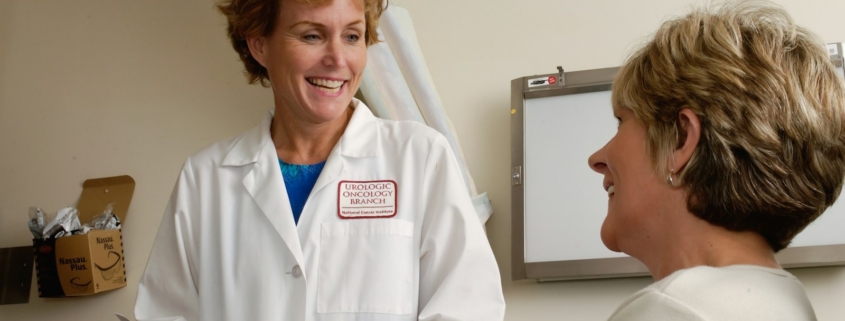
Clinician reviewing a treatment plan during a psychiatric hospital to residential mental health transition

The move from a psychiatric hospital to residential mental health care is one of the most consequential and least understood transitions in behavioral health. An inpatient psychiatric admission is designed to do one thing extremely well: keep someone safe through an acute crisis. It is not designed to resolve the underlying illness. When a person is discharged after four or five days of stabilization and sent directly home with a follow-up appointment three weeks out, the gap between what they needed and what they received is where relapse happens. Residential care is the level of support built to close that gap.

At Bodhi Mental Health in the Santa Cruz area, a significant share of admissions arrive directly from acute inpatient units across the country. This article explains how that handoff actually works, who it is appropriate for, and what the first week of residential mental health treatment looks like after a hospital stay.

What Inpatient Stabilization Accomplishes, and Where It Stops

An acute psychiatric hospitalization has a narrow clinical mandate. Staff manage imminent risk, initiate or adjust medication, rule out medical contributors, and confirm that a person can maintain their own safety. The National Institute of Mental Health notes that most psychiatric medications require several weeks before therapeutic benefit becomes apparent — often longer for antidepressants and mood stabilizers. A typical inpatient stay is far shorter than that window.

The practical consequence is that many people are discharged from a hospital at the precise moment their new medication regimen is still unproven. Side effects are emerging. Dosing has not been optimized. Nobody has yet done the therapeutic work of understanding what precipitated the crisis. The person is safe, but they are not well, and safety in a locked unit does not automatically translate to safety at home.

Why the Step Down to Residential Care Reduces Readmission Risk

The Substance Abuse and Mental Health Services Administration has consistently emphasized continuity of care as a central quality measure in behavioral health. The period immediately following psychiatric discharge is recognized clinically as a high-vulnerability window. Structure, supervision, and rapid access to a prescriber during those weeks are protective in a way that a monthly outpatient appointment cannot replicate.

Residential care provides 24-hour clinical presence without the restrictions of a locked hospital unit. A person living with treatment-resistant depression or severe bipolar II can have their medication titrated by a psychiatric provider who observes them daily, rather than by a prescriber relying on a fifteen-minute self-report every few weeks. Sleep, appetite, activation, and mood are tracked continuously. When a medication produces akathisia or blunting, the adjustment happens the same week instead of the next month.

How the Clinical Handoff from Hospital to Residential Actually Works

In practice, the transition is coordinated between the hospital’s social work or case management team and our admissions clinicians. The sequence is straightforward when it is started early:

  • Referral during the stay, not after discharge. The strongest transitions begin on hospital day two or three, while the person is still inpatient. Waiting until discharge day creates a coverage gap that families are left to manage alone.
  • Records exchange. Discharge summary, current medication list with doses and start dates, laboratory results, any imaging, and the treating psychiatrist’s clinical impression. This prevents the residential team from restarting diagnostic work that was already completed.
  • Benefits verification. Our team confirms coverage and level-of-care authorization before the transfer date. Families can start this in parallel through our insurance verification process.
  • Clinical appropriateness review. We confirm that residential is the right level of care — that the person no longer requires a locked setting but is not ready for outpatient management.
  • Direct transfer when possible. Same-day or next-day movement from the unit to our program, avoiding an unsupervised interval at home.

Families who want to begin this conversation while a loved one is still hospitalized can reach our admissions team at 877-883-0780. Speaking with us before discharge is almost always better than calling afterward.

What the First Week After Transfer Looks Like

Arriving from a hospital unit is a different experience than arriving from home. Most people come in exhausted, medicated, and wary — a locked unit is not a restful place, and the loss of autonomy leaves a mark. The first several days are deliberately paced.

A psychiatric evaluation happens within the first 24 hours, building on the hospital’s work rather than duplicating it. Medical and nursing assessment follows, including review of any physical health concerns the hospitalization surfaced. Sleep is a priority in the opening days; restoring a stable sleep architecture is often the single highest-yield intervention available, and it is nearly impossible on an acute unit.

Therapeutic engagement builds gradually. Individual sessions begin early, but full group participation often waits until day three or four. Our treatment programs are structured to allow that ramp rather than forcing immediate full participation. People who have just come through a crisis need room to land before they can do trauma work or skills training productively.

Who Is Appropriate for a Hospital-to-Residential Step-Down

This pathway is well suited to adults who have been medically and psychiatrically stabilized but whose underlying condition remains active. Common presentations include treatment-resistant depression that has not responded to two or more adequate medication trials, bipolar I or II following a mood episode requiring hospitalization, severe PTSD or complex trauma where symptoms remain disabling, severe anxiety and panic that has not remitted with outpatient care, and OCD at a severity that prevents functioning at home.

It is not the right fit for everyone. Someone who still requires a locked setting, involuntary hold, or continuous one-to-one observation needs to remain inpatient. Someone whose primary presentation is active withdrawal from alcohol or other substances requires medically managed detoxification first. And a person who has genuinely stabilized, has a strong support system, and is engaged with an existing outpatient team may do well stepping directly to a virtual outpatient program or traditional outpatient care.

Coordinating a Transfer from the Bay Area and Monterey Bay

We regularly receive referrals from hospitals in San Jose, the greater Bay Area, Monterey County, and Santa Cruz County. Our facility in Aptos is close enough to keep families involved and far enough from the daily environment to allow real therapeutic distance. Families frequently ask what the setting looks like before agreeing to a transfer, and our facility tour exists for exactly that reason.

Privacy is a common concern, particularly for licensed professionals and executives whose hospitalization may have been visible to colleagues. Our confidentiality practices address how information is handled and who may be contacted.

A Note on Family Involvement

Family members are often traumatized by the hospitalization itself — the emergency department, the hold, the locked door. The National Alliance on Mental Illness maintains family education resources that many of our families find useful during this period. Within our program, family sessions typically begin in the second week, once the person in treatment has enough stability to participate meaningfully.

If someone you love is currently hospitalized and you are being told discharge is coming soon, the most useful thing you can do is start the residential conversation now. Call our admissions team at 877-883-0780 or submit an admissions inquiry, and we will coordinate directly with the hospital’s case management team.


Therapist meeting with a young woman on a couch during a trauma-informed care session

Trauma leaves fingerprints on the nervous system that outlast the events themselves. For adults living with post-traumatic stress disorder (PTSD), complex trauma, or trauma-driven depression and anxiety, standard talk therapy sometimes falls short because the treatment environment itself feels unsafe. Trauma-informed care reframes every element of a residential stay — the intake paperwork, the tone of a nursing assessment, the way a bedroom door closes at night — around one central question: does this help the person feel safer, or does it risk retraumatization? At Bodhi Mental Health, trauma-informed practice is not a single therapy modality; it is a whole-facility commitment woven through our residential mental health program.

What “Trauma-Informed” Actually Means

The Substance Abuse and Mental Health Services Administration (SAMHSA) defines a trauma-informed approach through six guiding principles: safety; trustworthiness and transparency; peer support; collaboration and mutuality; empowerment, voice, and choice; and attention to cultural, historical, and gender issues. A program that simply offers trauma therapy is not automatically trauma-informed. The distinction matters because roughly 70 percent of adults in the United States have experienced at least one traumatic event, and the National Institute of Mental Health (NIMH) estimates that about 6 percent will develop PTSD at some point in their lives. Many more carry subclinical trauma that quietly shapes their depression, panic, or substance use.

Being trauma-informed means every staff member — from the intake coordinator answering the phone at 877-883-0780 to the overnight technician who checks in during quiet hours — understands how trauma changes the brain and behavior. It means we assume that any resident may be carrying trauma history, whether or not they have named it, and we behave accordingly.

Why Residential Is the Right Setting for Trauma Work

Trauma stabilization is difficult to accomplish in an hour-a-week outpatient visit, particularly when a person’s home environment continues to activate the same threat responses that keep symptoms alive. Residential care creates continuous time in a regulated, low-stimulus setting where the nervous system can begin to downshift. Clinicians can observe sleep patterns, dissociative episodes, and startle responses in real time rather than relying only on self-report. Medication adjustments happen with same-day feedback. Skills learned in a morning group can be practiced in the afternoon, with support close at hand if a flashback surfaces.

For residents whose symptoms are too acute for outpatient work but who do not require inpatient hospitalization, our treatment programs bridge that gap. Length of stay is guided by clinical progress rather than a rigid calendar, which is critical for trauma populations who often need longer stabilization windows than depression- or anxiety-only presentations.

Building Physical and Emotional Safety First

Before trauma processing can begin, the resident’s body has to trust the environment. That starts with concrete, sensory details. Bedrooms are private or shared by resident preference where possible. Hallways are quiet. Lighting can be softened. Staff knock, announce themselves, and wait for a response before entering. Restraint and seclusion are not used. Residents are told, in plain language, what will happen next — who they will meet, what a lab draw will feel like, when medication will be reviewed.

Emotional safety is built through predictability and choice. The American Psychological Association (APA) emphasizes that perceived control is one of the strongest buffers against re-traumatization during treatment. At Bodhi, residents help shape their weekly schedule, choose between individual and group modalities where clinically appropriate, and can pause or slow any intervention that feels destabilizing.

Evidence-Based Trauma Therapies Offered

Once stabilization is underway, residents typically engage in one or more trauma-focused therapies matched to their presentation and readiness:

  • Cognitive Processing Therapy (CPT) — a structured cognitive-behavioral protocol that helps residents examine and revise “stuck points” left behind by trauma, endorsed by the U.S. Department of Veterans Affairs and APA as a first-line PTSD treatment.
  • Prolonged Exposure (PE) — graduated, therapist-guided exposure to trauma memories and avoided situations, delivered only after safety and coping skills are in place.
  • Eye Movement Desensitization and Reprocessing (EMDR) — bilateral stimulation paired with targeted memory work; particularly useful for residents who struggle to narrate trauma verbally.
  • Somatic and body-based interventions — grounding, breathwork, and gentle movement that address the physiological components of trauma the National Alliance on Mental Illness (NAMI) describes as “stored in the body.”
  • Skills-based groups — distress tolerance, emotion regulation, and interpersonal effectiveness modules that support daily functioning while deeper work unfolds.

Not every resident processes trauma directly during a residential stay. For some, the work of residential is stabilization, medication optimization, and building a container of coping skills — with formal trauma processing continuing later in step-down or outpatient care. Trauma-informed clinicians recognize that pacing is itself a therapeutic decision.

Medication and the Trauma-Impacted Brain

Psychiatric medication has a supporting role in trauma treatment. Selective serotonin reuptake inhibitors (SSRIs) such as sertraline and paroxetine hold FDA approval for PTSD. Prazosin is often used for trauma-related nightmares. Mood stabilizers or non-addictive anti-anxiety agents may be added when co-occurring bipolar spectrum or panic symptoms are present. Benzodiazepines are generally avoided in PTSD because evidence suggests they can interfere with fear extinction learning. Our psychiatrists review medications collaboratively with residents, explaining risks and alternatives, and adjust based on observed response — not a rigid formulary.

Culture, Identity, and Historical Trauma

Trauma does not occur in a vacuum. Racism, homophobia, transphobia, immigration-related fear, and community violence create their own layers of injury. A trauma-informed program acknowledges these realities rather than treating symptoms as if they arose in isolation. Bodhi’s clinicians receive ongoing training in cultural humility, and residents are asked about their identities, language preferences, and spiritual or religious commitments during intake — not because these are optional add-ons, but because they shape what safety and healing look like.

Family Involvement Without Coercion

Family relationships can be the strongest support in recovery or, for some trauma survivors, the source of the original harm. Trauma-informed programs never assume family involvement is universally helpful. Residents decide, in partnership with their therapist, who is contacted, when, and about what. When family sessions are appropriate, they are structured to protect the resident from re-injury and to educate loved ones on how to support without pressuring.

What a Trauma-Informed Day Looks Like

Mornings typically begin with a grounding practice — breathwork, gentle stretching, or a brief mindfulness exercise — followed by breakfast at a predictable time. A community meeting sets the tone for the day and previews any schedule changes so nothing feels sudden. Mid-morning brings individual therapy or a trauma-focused group. Afternoons balance skills work with rest, meals, and time outdoors on the property. Evenings prioritize wind-down: lower stimulation, journaling, or quiet peer connection. Sleep is protected, because sleep is where much of the nervous system’s repair happens.

Preparing for Discharge From Day One

Trauma-informed care extends beyond the residential window. From the first week, the treatment team works with each resident on the transition plan: which clinicians will continue trauma work, what medication schedule travels home, which peer or family supports are in place, and what warning signs merit reaching out. Aftercare is not an afterthought; it is the mechanism by which residential gains translate into a life at home.

Taking the Next Step

Choosing residential care is itself an act of courage, particularly for someone whose trauma has taught them to distrust institutions. If you or a loved one is weighing whether Bodhi’s approach is the right fit, our admissions team is available 24 hours a day to answer questions, describe the intake process in detail, and confirm insurance coverage before any commitment is made. You can call 877-883-0780, verify your insurance benefits online, or begin an application whenever you are ready. Healing on a trauma-informed foundation is possible, and the first conversation can happen on your terms.

Two women talking during a therapy session for panic disorder management

Panic disorder does not always respond neatly to weekly outpatient therapy. For adults who are having multiple panic attacks a day, avoiding work or school, arriving repeatedly in emergency rooms, or spiraling into agoraphobia, a panic disorder residential program offers a level of care that outpatient sessions and short crisis stays cannot. This post explains how residential treatment for panic disorder works, who benefits, and what a structured 30-to-60-day stay actually looks like from admission to discharge.

What Panic Disorder Really Is

Panic disorder is a specific, treatable anxiety diagnosis in the DSM-5-TR — recurrent, unexpected panic attacks followed by at least one month of persistent worry about additional attacks or a maladaptive change in behavior to avoid them. According to the National Institute of Mental Health, roughly 2.7 percent of U.S. adults experience panic disorder in a given year, and about 4.7 percent will experience it in their lifetime. Rates are nearly twice as high in women as in men.

A panic attack is a short surge of intense fear or physical arousal — pounding heart, chest pressure, shortness of breath, dizziness, tingling, and a sense that something catastrophic is about to happen. In panic disorder, the person also begins to fear the next attack, and that anticipatory anxiety is often what erodes daily life.

When Outpatient Care Is Not Enough

Most people with panic disorder respond well to a combination of cognitive behavioral therapy and medication, delivered in outpatient care. Residential is not the first stop. It becomes the right level of care when one or more of the following shows up:

  • Panic attacks are happening daily or multiple times a day, and the person cannot work, drive, or attend school.
  • Agoraphobia has narrowed the person’s world to a single room or a small radius around home.
  • The person is using alcohol, cannabis, or benzodiazepines to manage panic and is now dependent on them.
  • There is a co-occurring depression, PTSD, or bipolar diagnosis that outpatient care has not been able to hold together.
  • There have been repeated emergency room visits for panic-mimicking chest pain or shortness of breath, with normal cardiac workups each time.
  • Outpatient CBT and standard first-line medications have not produced adequate response after a reasonable trial.

The Substance Abuse and Mental Health Services Administration emphasizes matching level of care to acuity — for people in the situations above, a structured residential mental health program is often the fastest way to interrupt the cycle.

Admissions and the First 72 Hours

Admission begins with a full clinical assessment — psychiatric history, medication list, medical history, substance use, sleep, and trauma screen. The clinical team also asks about the shape of the panic itself: how attacks start, how long they last, what makes them worse, and what safety behaviors the person has built around them.

Within the first 72 hours, three things happen in parallel:

  • A psychiatrist reviews and, if appropriate, adjusts the medication regimen — often stabilizing a selective serotonin reuptake inhibitor (SSRI) or serotonin-norepinephrine reuptake inhibitor (SNRI) as the long-term anchor, and planning a taper for any benzodiazepines that have become part of the problem.
  • The primary therapist begins psychoeducation. Understanding what a panic attack physically is — a false alarm from the amygdala, not a heart attack, not dying — is itself part of the treatment.
  • The resident settles into the daily structure: therapy groups, meals, movement, sleep. Panic thrives on unpredictability, and a predictable schedule starts to lower baseline arousal within days.

Cognitive Behavioral Therapy for Panic, Delivered Intensively

CBT for panic disorder — often called CBT-P or panic control treatment — is the most evidence-supported psychotherapy for this diagnosis. The American Psychiatric Association lists it as a first-line psychotherapy for anxiety disorders. In a residential setting, CBT-P is delivered in multiple weekly individual sessions, augmented by daily skills groups. Core components include:

  • Psychoeducation about the panic cycle: body sensation to catastrophic interpretation to more sensation to attack.
  • Cognitive restructuring: identifying and testing the automatic catastrophic thoughts (“I am having a heart attack,” “I am losing my mind”) against real evidence.
  • Interoceptive exposure: deliberately reproducing feared body sensations (spinning to induce dizziness, straw-breathing to induce shortness of breath, brief exertion to raise heart rate) so the nervous system learns those sensations are not dangerous.
  • Situational exposure: gradual, planned re-entry into avoided situations — driving, grocery stores, crowded rooms — starting on the residential campus and expanding outward.

These skills are practiced daily under clinical supervision, which is what allows people to move through material in six to eight weeks that might otherwise take six to eight months of weekly outpatient work.

Medication Strategy in a Residential Setting

Residential care allows a much more precise medication trajectory than outpatient. The prescribing psychiatrist can:

  • Start or titrate an SSRI or SNRI and observe response and side effects daily rather than every few weeks.
  • Plan and execute a benzodiazepine taper safely, with 24/7 nursing observation for rebound anxiety, sleep disturbance, or seizure risk.
  • Address co-occurring depression, PTSD, or bipolar disorder in an integrated way rather than piecemeal.
  • Coordinate with the therapist so that medication changes and exposure work reinforce each other rather than collide.

People often arrive believing that they will need a benzodiazepine every day for the rest of their lives. That is rarely the plan by discharge.

Sleep, Substances, and the Nervous System

Panic disorder rarely arrives alone. Sleep deprivation, alcohol, cannabis, and stimulants all lower the threshold for panic. The National Institute of Mental Health notes that anxiety disorders and substance use frequently co-occur. In a residential setting, all of these variables are addressed at once — a consistent sleep schedule, no access to alcohol or cannabis, careful review of caffeine and stimulant intake, and daily movement. The nervous system quiets not because of a single intervention but because the whole environment is dialed toward regulation.

Family Involvement and Discharge Planning

Family patterns often, without meaning to, reinforce panic through accommodation — driving the person everywhere, avoiding shared errands, cancelling plans. Residential care usually includes family sessions to update loved ones on the treatment plan and to coach them on how to support recovery without stepping back into accommodation. The National Alliance on Mental Illness offers helpful family-facing education on anxiety disorders that complements what happens in-house.

Discharge planning starts on day one. The team maps out an outpatient prescriber, a CBT-trained therapist, and — for many residents — a step-down into a structured outpatient or virtual program so the daily reinforcement does not disappear the moment the resident leaves campus.

Getting Started

Panic disorder is highly treatable, and residential care is designed for the people for whom outpatient has not been enough. If you or a family member is losing daily function to panic, an admissions call can clarify whether residential is the right fit. Reach the admissions team at 877-883-0780, complete an insurance verification, or apply now. A short conversation is often enough to know whether a panic disorder residential program is the next right step.

Person sleeping restfully in bed, illustrating sleep restoration in residential mental health care

For adults living with treatment-resistant depression, severe bipolar disorder, complex PTSD, or ongoing panic, sleep is rarely just tired-and-rested. It is fractured, inverted, or gone for days at a stretch. Sleep restoration in residential mental health treatment is one of the fastest, most measurable ways a clinical team can stabilize a person in acute distress. When a resident finally sleeps six or seven consolidated hours, mood, cognition, and medication response all begin to shift within days. That is why every admission at a serious residential mental health program starts with a detailed sleep history, not just a diagnosis form.

This post walks through the sleep restoration protocols a residential clinical team layers together across the first two to four weeks of care, why the residential setting itself is a therapeutic tool, and what families can expect a structured recovery of sleep to look like.

Why Sleep Collapses in Severe Mental Illness

Sleep disturbance is not a footnote to psychiatric illness. According to the National Institute of Mental Health, disrupted sleep is present in the majority of people living with major depression, bipolar disorder, PTSD, and anxiety disorders. The relationship is bidirectional: illness fragments sleep, and fragmented sleep worsens the illness. Someone experiencing a depressive episode may hypersleep and still wake unrested. A person with bipolar I in a rising phase may go 48 to 72 hours without needing sleep, and that missed sleep in turn accelerates the mood escalation.

By the time a resident arrives at a structured residential program, most have layered on years of workarounds — late-night screen use, alcohol, over-the-counter antihistamines, benzodiazepines borrowed from family, or simply resignation. Sleep restoration begins by unwinding those patterns in a safe, monitored setting.

Assessment: What a Clinical Sleep Workup Looks Like

Within the first 24 to 72 hours of admission, the clinical team gathers a full sleep picture. This typically includes:

  • A timeline of the current sleep pattern: bedtime, sleep-onset latency, number of awakenings, final wake time, daytime naps.
  • A medication and substance review — prescription hypnotics, sedating antihistamines, cannabis, caffeine load, and alcohol.
  • Screening for co-occurring sleep disorders. The Substance Abuse and Mental Health Services Administration emphasizes that untreated obstructive sleep apnea, restless legs, and circadian rhythm disorders can look like — and worsen — a mood or anxiety diagnosis.
  • A functional review: how sleep loss is showing up in cognition, appetite, suicidal ideation, and psychotic symptoms.

Some residents arrive already carrying a sleep study or CPAP prescription; others need a referral for polysomnography during their stay. That workup drives every step that follows.

The Residential Setting as a Sleep Intervention

Before any medication or therapy protocol runs, the physical program itself does substantial clinical work. In a boutique, small-census residential mental health setting, the environmental variables that erode sleep at home are systematically removed:

  • Consistent lights-out and wake times, seven days a week.
  • Private, low-stimulus bedrooms with blackout capacity and cool ambient temperature.
  • Limited evening screen exposure, with in-room devices removed or restricted after a set hour.
  • Structured daytime activity — therapy groups, meals, movement, and outdoor time in the Santa Cruz-area climate — so the body has a real reason to feel tired at bedtime.
  • 24/7 nursing coverage, which allows an anxious resident to request support at 2 a.m. rather than lie in bed catastrophizing.

Within the first week, this environmental scaffolding alone often produces measurable improvement. It is also why outpatient sleep-hygiene handouts so often fail: they ask a person in crisis to build the scaffolding themselves.

Behavioral Protocols: CBT-I Adapted for Residential Care

Cognitive behavioral therapy for insomnia (CBT-I) is the first-line, evidence-based non-pharmacologic treatment endorsed by the American Psychiatric Association. In a residential setting, CBT-I components are compressed and delivered in the moment rather than across 8 weekly outpatient sessions:

  • Stimulus control: bed is for sleep only. If a resident is awake more than 20 minutes, they get up and read in a low-lit common area with staff support until sleepy.
  • Sleep restriction (used cautiously): in some cases the clinical team will temporarily narrow the sleep window to consolidate fragmented sleep, then gradually widen it as efficiency improves. In severe depression or acute suicidality, sleep restriction is often deferred or skipped.
  • Cognitive work: a therapist walks the resident through the catastrophic thoughts that spike at 3 a.m. (“If I do not sleep I will fail tomorrow”), reframing them in real time.
  • Relaxation training: paced breathing, progressive muscle relaxation, and brief body scans, practiced in daylight so they are available when insomnia hits.

Medication Strategy: Precise, Time-Limited, Diagnosis-Aligned

Residential sleep restoration is not about handing out a hypnotic at bedtime. The prescribing psychiatrist matches medication to the underlying illness:

  • In bipolar disorder, sleep protection may be built into the primary mood stabilizer or antipsychotic regimen rather than added on separately.
  • In PTSD, prazosin is often trialed for trauma-related nightmares, and a sedating antidepressant like mirtazapine may be considered.
  • In treatment-resistant depression, sleep may improve as the medication regimen is optimized — a process that a residential team can move through in weeks rather than months.
  • Benzodiazepines and Z-drugs, when used at all, are prescribed at the lowest effective dose for the shortest clinically appropriate window, with a clear taper plan in place before discharge.

Every medication decision is documented and revisited daily by the medical team, and each change is explained to the resident in language they can carry into their post-discharge care.

Circadian Anchors: Light, Movement, and Meals

Circadian misalignment — a body clock stuck in the wrong time zone relative to the environment — is common in severe mood disorders. The clinical team layers in three anchors:

  • Morning light exposure: 20 to 30 minutes of bright light within the first hour of waking, either outdoors or via a therapeutic light box, helps re-set the master circadian rhythm.
  • Timed meals: breakfast within an hour of waking and dinner at a consistent evening time signal the peripheral clocks in the liver, gut, and metabolism.
  • Daytime movement: a walk, yoga class, or structured exercise session between morning and mid-afternoon supports sleep pressure without over-arousing the nervous system before bed.

Measuring Progress and Planning the Handoff

Sleep is measured objectively across the stay. Clinicians track total sleep time, sleep efficiency (time asleep divided by time in bed), number of awakenings, and daytime alertness. By week two or three most residents are producing consolidated 6-to-8-hour nights, and the team begins building the discharge plan around what actually worked in-house — CBT-I skills, a specific medication regimen, and a circadian schedule the person can realistically maintain at home.

Families concerned about a loved one’s sleep collapse can start by calling the admissions team at 877-883-0780 or completing an insurance verification. The National Alliance on Mental Illness also offers family-facing education on sleep and psychiatric illness.

When to Consider Residential Care for Sleep Collapse

Persistent insomnia in the context of worsening depression, mania, or trauma symptoms is not a comfort problem — it is a clinical emergency in slow motion. If outpatient care has not restored sleep after a reasonable trial, if a person is using alcohol or borrowed medication to sleep, or if sleeplessness is contributing to suicidal thinking, a residential level of care is often the safest and fastest path forward. To learn more or request an assessment, call 877-883-0780 or apply now. Sleep restoration in a residential mental health program is not luxury — it is treatment.

Laboratory bench with scientific equipment for pharmacogenomic testing

Pharmacogenomic testing in residential mental health care helps clinicians choose psychiatric medications matched to a person’s inherited metabolism profile. For adults entering residential care with treatment-resistant depression, complex trauma, or severe bipolar illness, medication trial-and-error is often the most exhausting part of prior outpatient work. Pharmacogenomic testing offers a data point that shortens that cycle and reduces avoidable side effects during a residential stay.

What Pharmacogenomic Testing Actually Measures

Pharmacogenomic panels sequence a small set of genes that code for the liver enzymes (primarily the cytochrome P450 family — CYP2D6, CYP2C19, CYP3A4, CYP1A2) and pharmacodynamic targets (SLC6A4, HTR2A) most involved in metabolizing and responding to psychiatric medications. Commercial panels marketed to psychiatry — GeneSight and Genomind are the two most familiar to families entering residential care — return a categorical report that groups medications into bins based on predicted metabolic efficiency.

The report is not a prescription. It is one input clinicians consider alongside the DSM-5-TR diagnosis, prior medication history, family psychiatric history, comorbid medical conditions, and current lab work. The National Institute of Mental Health emphasizes that no genetic test replaces clinical judgment; the value of testing is in narrowing the search space, not in choosing the medication directly.

Why Timing Matters During a Residential Stay

Residential mental health treatment concentrates medication decisions into a 30- to 90-day window with 24/7 nursing observation. Compared to an outpatient practice — where a person may wait four to eight weeks between medication changes to see a full response — a residential setting can capture side effects, sleep changes, and mood shifts in near real time. That density is where pharmacogenomic testing during residential mental health becomes most useful: a genetic profile that flags a person as an ultra-rapid metabolizer of a common SSRI helps our psychiatrist skip a class that would have failed anyway.

Every adult we admit to our residential program completes a medical intake that includes a review of prior medication trials. When outpatient prescribers have already tried three or more agents without adequate response, we discuss pharmacogenomic testing as an option — not a mandate — early in the stay.

Which Conditions Benefit Most From Pharmacogenomic Testing

Evidence for pharmacogenomic testing is strongest in adults with treatment-resistant unipolar depression. The 2019 GUIDED trial and follow-up analyses funded in part through GeneSight’s manufacturer reported modest but statistically meaningful improvements in remission rates when clinicians used pharmacogenomic guidance versus treatment as usual. Independent psychiatric literature, including reviews published through the American Psychiatric Association, continues to describe the evidence base as suggestive rather than definitive — clinicians should present testing as one tool among several.

The conditions where our psychiatrist most often orders pharmacogenomic testing include:

  • Treatment-resistant depression after two or more failed SSRIs or SNRIs
  • Bipolar II depression that has not responded to lamotrigine or a second-line mood stabilizer
  • Severe generalized anxiety with a documented history of intolerable side effects on standard agents
  • Complex PTSD with co-occurring depression when a person has failed sertraline, paroxetine, or venlafaxine
  • Obsessive-compulsive disorder when a high-dose SSRI trial produced adverse effects at low doses (suggesting a poor metabolizer phenotype)

How Testing Fits Into Our Residential Mental Health Workflow

A sample is collected as a cheek swab during the first week of residential care. Turnaround from most commercial labs is 5 to 10 business days. During that window our clinical team continues the person’s existing medication regimen or, when necessary, initiates a well-tolerated agent based on prior history. When the panel returns, our psychiatrist reviews it with the person, discusses any genotype that flags a class as poorly metabolized, and adjusts the plan.

Insurance coverage for pharmacogenomic panels varies widely. Some PPO plans cover testing for adults with documented treatment-resistant depression; others do not. Our admissions team walks through this during insurance verification. When coverage is denied, families sometimes elect self-pay because the alternative — another two to three months of outpatient medication trial — carries its own cost.

Limits and Cautions

Pharmacogenomic testing has real limits that our clinicians name openly with each person and family:

  • The report predicts metabolism, not clinical response. A person can be a “normal metabolizer” of an SSRI and still not respond to it.
  • Environmental factors — active substance use, hepatic disease, drug-drug interactions, smoking status — can override the predicted phenotype.
  • Panels cover only a subset of psychiatric agents. Newer medications (ketamine, esketamine, brexanolone, some second-generation antipsychotics) are often not included.
  • Most panels do not test for lithium response predictors, which remain best identified through a supervised trial with serial serum levels.
  • The Substance Abuse and Mental Health Services Administration (SAMHSA) reminds families that no laboratory test replaces a thorough clinical evaluation.

What Families Ask Us Most Often

Two questions come up in nearly every admissions call about pharmacogenomic testing during residential mental health care. First: should we insist our loved one is tested before admission? Our answer is that pre-admission testing rarely changes the decision to admit — the residential level of care is chosen based on ASAM-equivalent psychiatric acuity and prior treatment history, not genotype. Second: is testing worth it if we are private-pay? For a person whose outpatient course has already burned through multiple medication classes without benefit, most families we speak with judge the modest cost of a panel reasonable against a longer residential stay driven by continued medication trial-and-error.

Families reviewing all of our clinical treatment programs can see how pharmacogenomic testing sits alongside psychotherapy, neurofeedback, TMS referrals, and structured wellness programming. Testing is one input into a longer clinical picture — never a stand-alone solution.

Genes Most Commonly Reported and Why They Matter

Most commercial panels sold to psychiatry report on the same core set of genes because those genes drive most of the meaningful variation in psychiatric medication response. CYP2D6 metabolizes many SSRIs, tricyclic antidepressants, atomoxetine, and several antipsychotics. A person with a CYP2D6 ultra-rapid phenotype may clear a standard dose so quickly that they never reach therapeutic blood levels — which looks clinically like non-response, but is actually a dosing problem. CYP2C19 metabolizes citalopram, escitalopram, sertraline (partially), and diazepam. Poor CYP2C19 metabolizers on citalopram or escitalopram carry a higher risk of QT prolongation and typically need dose reductions the FDA’s product labeling already recommends.

SLC6A4 codes for the serotonin transporter — the target of every SSRI on the market. Some panels report short-allele carriers as less responsive to SSRIs and more prone to serotonergic side effects, though independent replication of that finding has been mixed. HTR2A variants have been linked in some studies to differential response to certain SSRIs and to a subset of atypical antipsychotics. Our psychiatrist reads these pharmacodynamic markers as supportive, never determinative — the pharmacokinetic (CYP) findings tend to change the plan more often than the pharmacodynamic (receptor) findings do.

What Testing Does Not Answer

Pharmacogenomic testing during residential mental health treatment does not answer several questions families sometimes hope it will. It does not diagnose an illness — a panel cannot distinguish bipolar II from unipolar major depression, and no genetic result changes the DSM-5-TR criteria our clinicians use to assign a diagnosis. It does not predict psychotherapy response — a person’s genotype tells us nothing about how they will engage with cognitive behavioral therapy, dialectical behavior therapy, Brainspotting, or trauma-focused work. And it does not forecast relapse risk after discharge; that work belongs to the aftercare plan built during the second half of residential care.

Starting the Conversation

If you are researching residential mental health options for an adult with treatment-resistant depression, bipolar II, complex PTSD, or severe anxiety, our admissions team can discuss whether pharmacogenomic testing is likely to change the medication plan for your loved one. To speak with a clinician, call 877-883-0780, or begin our confidential admissions form. We treat each conversation as clinical, not sales — and we will tell you when a lower level of care is a better fit than residential.

Clinician reviewing an aftercare plan on a tablet with a patient and family member during discharge planning

For adults leaving inpatient care, aftercare planning after residential mental health treatment determines whether hard-won stability holds up in the real world. The most clinically meaningful work of a 30- to 90-day residential stay — psychiatric stabilization, trauma processing, medication adjustments, skills acquisition — is only durable if the step-down plan matches the level of acuity that remains at discharge. In this guide, our admissions and clinical teams walk through how structured aftercare planning works inside a residential mental health program, what a defensible discharge document should contain, and how families and referring clinicians can pressure-test the plan before a loved one heads home.

Why aftercare planning after residential mental health treatment matters

The transition period following inpatient or residential care is the highest-risk window for relapse of mood, anxiety, psychotic, or trauma-related symptoms — and, for people with co-occurring conditions, for return to substance use. Per SAMHSA and the National Institute of Mental Health, continuity of care in the first 30 to 90 days after discharge is one of the strongest modifiable predictors of long-term outcomes for people living with treatment-resistant depression, severe bipolar II, complex PTSD, and severe anxiety spectrum disorders. Aftercare is not a courtesy discharge packet; it is the clinical bridge that carries the treatment gains built during our residential mental health program into a person’s home, workplace, and relationships.

For families in the Bay Area and Monterey Bay, that bridge is meaningful because the referral pattern for step-down care is uneven — Santa Cruz County, Santa Clara County, and San Mateo County each have different in-network PHP and IOP options, and a defensible aftercare plan reflects those regional realities.

Levels of care in a step-down plan

Aftercare is a matched-intensity ladder, not a single referral. The residential clinical team should map each person to a level of care that reflects current risk, insight, and support system, then plan a graduated de-escalation. Common step-down levels include:

  • Partial hospitalization (PHP): five to six days per week of structured programming, typically five to six hours per day. Appropriate when acute stabilization is complete but daily clinical contact is still indicated for medication titration or continued crisis-response support.
  • Intensive outpatient (IOP): three days per week, three hours per day. Can be delivered in person or through an in-network virtual IOP for people returning to jobs, caregiving, or school.
  • Outpatient therapy plus psychiatry: weekly individual therapy paired with a psychiatric provider seeing the person every two to four weeks for medication management. Bodhi’s outpatient services can bridge this handoff for people close enough to attend on-site.
  • Supported living or structured sober living: for people whose home environment is not yet a therapeutic environment, particularly when a co-occurring substance use disorder is part of the picture.

A clinician-driven decision — not an insurance-driven one — should set the initial level. Benefits verification runs in parallel through the admissions team; families can start that conversation on our insurance verification page. Under- or over-leveling the step-down is one of the most common preventable readmission drivers our clinicians see.

What a defensible discharge document should contain

A discharge document is not the same as a courtesy summary sent to a referring clinician. Per the American Psychiatric Association practice guidelines, a residential mental health discharge plan should include, at minimum:

  • Working DSM-5-TR diagnoses and any provisional or rule-out diagnoses still under evaluation
  • Current medication list with dosages, indication, prescribing clinician, and any pharmacogenomic testing results that shaped selection
  • Warning signs and early-relapse indicators specific to the individual, written in plain language for the person and their family
  • Crisis plan with named contacts, the 988 Suicide and Crisis Lifeline, and the closest emergency psychiatric facility
  • Named step-down providers with confirmed intake appointments — not a list of phone numbers to call
  • Signed releases of information already in place so the receiving clinician can access the residential record on day one
  • A clear owner for each action item — the receiving therapist, the psychiatrist, the person themselves, or a designated family point of contact

Medication continuity in the transition

Medication changes made during a residential stay — an SSRI cross-taper, a mood stabilizer titration, a low-dose antipsychotic augmentation for treatment-resistant depression — are only useful if the receiving psychiatric provider carries them forward accurately. Two failure points recur in the first two weeks after discharge: prescription gaps between the residential prescriber and the community prescriber, and a lack of written context around why a specific medication was selected.

Aftercare planning after residential mental health treatment should therefore include a 30-day prescription bridge that carries the person to their first outpatient psychiatry appointment, a signed release for the outpatient psychiatrist, and a written rationale — including any GeneSight or Genomind pharmacogenomic guidance — for each active medication. When a client is on a lithium, clozapine, or MAOI regimen, the plan should also name the lab responsible for ongoing monitoring.

Therapy handoffs and modality continuity

If a person received a specific trauma-focused modality in residential — EMDR, Brainspotting, Cognitive Processing Therapy, or Internal Family Systems — the outpatient therapist should be selected with modality continuity in mind. Restarting from scratch with a generalist therapist is one of the most common reasons trauma gains regress in the first 90 days. The residential team should provide the outpatient therapist with the case formulation, target memories or protocols in progress, and any grounding or resourcing strategies the person is actively using.

For people who completed DBT skills groups during residential, our team maintains a list of DBT-adherent outpatient practices in the greater Bay Area so the skills consultation-team model is preserved, not lost.

Family involvement and the home environment

Families are part of the aftercare plan whether they are named in the paperwork or not. Structured family sessions during the last two weeks of a residential stay — focused on communication scripts, boundary language, and relapse warning signs — meaningfully reduce readmission risk. Per NAMI, family psychoeducation is one of the evidence-based practices with the strongest support for severe mental illness. For adults returning to a Bay Area or Monterey Bay home, our clinical team coordinates local family sessions and, when useful, an in-person orientation through our Aptos facility.

The first 30, 60, and 90 days home

A written aftercare plan should map to concrete milestones rather than aspirational language:

  • Day 0–7: attend the first scheduled step-down session, fill all prescriptions, activate the crisis plan, family check-in call with the residential team
  • Day 8–30: stabilize sleep and appetite, complete introductory sessions with outpatient psychiatrist and therapist, first alumni contact from residential
  • Day 31–60: reintroduce structured obligations — return to work part-time, school, or caregiving — with residential clinical input on pacing
  • Day 61–90: reassess level of care, taper down to weekly outpatient if clinically appropriate, plan for anniversary triggers and seasonal risk windows

How to start the conversation

Families and referring clinicians who want to pressure-test an aftercare plan — before or after a residential stay — can reach our admissions and clinical team by visiting our apply-now page or calling the number in the site header. If a loved one is preparing to enter residential care and you want the aftercare plan built in from day one, our admissions clinicians can coordinate the plan directly with the receiving providers in your area, including in-network PHP or IOP referrals through our treatment programs.

This article is written by the Bodhi Mental Health clinical and admissions team for informational purposes and does not replace individualized psychiatric or clinical advice. If you or a loved one is in immediate crisis, call or text 988.

Healthcare worker in scrubs checking a patient blood pressure in a clinic

24/7 Medical Coverage in Residential Mental Health Care

When a person living with severe psychiatric illness has been through multiple outpatient episodes, medication trials, and short psychiatric hospitalizations without lasting stabilization, families often ask a version of the same question: what does the level of medical support actually look like day to day? 24/7 medical and nursing coverage in residential mental health treatment is one of the clearest lines that separates a clinically staffed residential program from a wellness retreat or a peer-supported sober living. This article walks through what continuous medical and nursing coverage means inside a residential mental health program, why it matters for medication safety and crisis response, and how families can vet a program before admission.

What 24/7 Medical and Nursing Coverage Actually Means

In a clinically staffed residential mental health program, “24/7 coverage” is a licensing concept, not marketing language. It means a licensed nurse (typically RN or LVN) is physically on site or immediately available at all hours, a psychiatric prescriber is reachable around the clock, and standing medical protocols are in place for common after-hours situations — a resident who cannot sleep, a resident whose blood pressure climbs after a medication adjustment, a resident who develops a fever. These are the situations that, in an outpatient setting, would default to an emergency room visit.

The Substance Abuse and Mental Health Services Administration defines this level of care in its published guidance on residential treatment programs. Programs that provide 24-hour care in a non-hospital setting are categorized separately from outpatient and partial hospitalization for exactly this reason. Nurse presence overnight is a structural feature of the level of care, not an amenity.

Why Continuous Medical Coverage Matters for Medication Safety

Adults arriving for residential mental health treatment are frequently taking three, four, or more psychiatric medications, often prescribed by different clinicians over years. Continuous medical and nursing coverage matters because medication changes — starting an SSRI, adjusting a mood stabilizer, tapering a benzodiazepine, initiating an antipsychotic — are safest when a clinician can observe the response within hours, not weeks. The American Psychiatric Association’s practice guidelines emphasize close monitoring during any period of medication transition, particularly for individuals with a history of suicidality, mania, or severe anxiety.

Common medication-related events that a residential program’s overnight nurse can address in real time include:

  • Insomnia after starting a stimulating antidepressant
  • Early signs of serotonin syndrome during a class switch
  • Blood pressure changes on a new SNRI or antipsychotic
  • Extrapyramidal symptoms on an antipsychotic
  • Withdrawal effects when tapering a long-standing benzodiazepine or sleep medication

In an outpatient setting, most of these events end in a same-week phone call to the prescriber — with the medication continuing in between. In residential mental health with 24/7 nursing coverage, the response happens the same shift.

Crisis Response Without an Emergency Room

The second reason 24/7 medical and nursing coverage matters is crisis response. Psychiatric emergencies — a panic attack that will not resolve, an intrusive thought that has escalated to a suicidal thought, a manic escalation — do not schedule themselves for weekday business hours. In a residential mental health program with continuous coverage, the on-site clinical team can intervene before an event requires a 5150 hold or an emergency department transfer. That matters clinically because repeated emergency admissions themselves carry risk, including exposure to acute-care environments that are often not calibrated for a person already in psychiatric care.

The National Institute of Mental Health emphasizes that continuity of care — the same treatment team following a person through a crisis and back — is one of the strongest predictors of stabilization for individuals living with treatment-resistant depression, severe bipolar disorder, and severe anxiety. Continuous on-site medical coverage is what makes that continuity possible during the residential phase.

Overnight Nursing: What Families Should Ask Before Admission

Not every program that describes itself as “residential” carries the same level of nursing. Families researching residential mental health care, the Monterey Bay area, or the Santa Cruz corridor should ask specifically:

  • Is a licensed nurse physically on site overnight, or is the on-call clinician reachable only by phone?
  • What are the census-to-nurse and census-to-clinician ratios during day and overnight shifts?
  • Is a psychiatric prescriber on call around the clock for after-hours medication decisions?
  • What is the program’s protocol for a resident who cannot sleep, spikes a fever, or reports a new suicidal thought at 2 a.m.?
  • How does the medical team coordinate with the outpatient prescriber the resident will return to after discharge?

These are not adversarial questions. A residential mental health program with continuous medical and nursing coverage will have direct answers ready. Programs that pause on these questions may be operating at a lower staffing level than the marketing suggests.

How 24/7 Coverage Shapes the Rest of the Treatment Program

The presence of continuous medical staffing also shapes the therapeutic side of a residential mental health program. When the on-site clinician does not need to hold every medication decision for a next-morning outpatient appointment, group therapy, individual sessions, family sessions, and specialized modalities like Brainspotting, EMDR, and DBT skills groups can proceed on their intended cadence. A resident is not sitting out a scheduled session because they are waiting on a medication adjustment.

For adults stepping down from a program, this coverage also shapes the handoff. Well-run residential programs transition residents to outpatient and virtual levels of care with a warm handoff to the receiving prescriber, medication reconciliation completed the day of discharge, and a written safety plan in the resident’s hands before they leave the facility.

Fit: When 24/7 Medical Coverage Is the Right Level of Care

Continuous on-site medical and nursing coverage is not required for every adult receiving mental health care. For an adult with well-controlled depression on a stable medication regimen, an intensive outpatient program is typically appropriate. Residential mental health with 24/7 coverage is designed for adults whose current level of illness makes outpatient care unsafe or insufficient — for example, a person living with treatment-resistant depression who has been through two failed medication trials, a person with severe bipolar II mid-episode, a person with complex PTSD whose symptoms have not remitted with outpatient EMDR, or a person recently discharged from a psychiatric inpatient unit who needs a step-down environment before returning home.

Families comparing treatment programs in Aptos, Capitola, and the broader Aptos treatment corridor can use the presence — or absence — of continuous medical staffing as one concrete signal of clinical rigor. Programs vary widely, and marketing language tends to blur the difference between wellness-retreat-style residential and clinically-staffed residential mental health care.

Verifying Insurance and Next Steps

Bodhi Mental Health is a residential mental health program serving adults, with a boutique census and continuous on-site medical and nursing coverage. If you are researching residential mental health for a family member, or for yourself, and you want to understand whether the medical staffing at Bodhi fits the clinical situation, our admissions team can walk you through the coverage schedule, the psychiatric prescriber’s availability, and how the program coordinates with your existing outpatient care team. To start, you can verify insurance or apply now. For a look at the residential setting itself, our facility tour page describes the program in more detail.

The Bottom Line

24/7 medical and nursing coverage in residential mental health treatment is a structural feature that makes safe medication changes, rapid crisis response, and continuous therapeutic scheduling possible. For adults whose illness has not stabilized in outpatient care, it is often the difference between another cycle of trial-and-error prescribing and a sustained period of stabilization. Ask specifically about it before you choose a program.

Sources and further reading: SAMHSA National Helpline · NIMH — Mental Health Medications · American Psychiatric Association — Patients and Families

Psychiatrist reviewing patient chart during clinical medication assessment

Bipolar disorder is often discussed as a single condition, but bipolar I and bipolar II are clinically distinct diagnoses with different medication regimens, different suicide risk profiles, different psychotherapy needs, and different expected lengths of stay in residential care. A precise subtype diagnosis is one of the most consequential decisions a psychiatric team makes because it dictates almost every downstream treatment choice.

At Bodhi Mental Health near San Jose and Aptos, our psychiatric team routinely admits patients whose prior outpatient treatment was calibrated to the wrong bipolar subtype — and whose symptoms improved dramatically once the diagnosis and pharmacology were re-aligned. This article explains the clinical differences between bipolar I and bipolar II, why residential observation is often the only way to make the distinction confidently, and how our residential program tailors treatment to each subtype.

The Core Clinical Difference

The DSM-5-TR distinguishes the two subtypes on a single, high-stakes criterion: the presence or absence of a full manic episode.

  • Bipolar I requires at least one lifetime manic episode — a discrete period of elevated, expansive, or irritable mood plus increased energy lasting at least 7 days (or any duration if hospitalization is required), causing marked impairment or including psychotic features. Depressive episodes are common but not required for diagnosis.
  • Bipolar II requires at least one hypomanic episode (4+ consecutive days of elevated mood and increased energy that is observable but does not cause marked impairment or require hospitalization) plus at least one major depressive episode. A patient who has ever had a full manic episode is reclassified as bipolar I.

According to the National Institute of Mental Health, bipolar II patients spend far more time in depression than in hypomania — a ratio of roughly 37:1 — which is one reason misdiagnosis as unipolar major depression is so common.

Why Subtype Is So Often Missed in Outpatient Care

Correctly identifying subtype is difficult in a 20-minute outpatient visit because:

  • Patients present during depressive episodes, when past hypomania feels normal or productive rather than pathological
  • Hypomania is ego-syntonic — patients rarely complain about it
  • Family history is often incomplete at intake
  • Substance use, sleep deprivation, and stimulant medications can mimic or mask mood states
  • Mixed features (simultaneous depressive and manic symptoms) confuse the categorical picture

Residential observation over 3–4 weeks gives the psychiatric team what outpatient care structurally cannot: continuous sleep, appetite, energy, speech, and behavior data collected by trained nursing staff. This is often the difference between a definitive diagnosis and years of trial-and-error prescribing.

Has bipolar disorder been repeatedly re-diagnosed or unresponsive to medication?

Bodhi Mental Health’s psychiatric team specializes in complex mood disorder assessment during residential admission. Call (877) 883-0780 for a confidential consultation with a licensed clinician.

Medication Protocols Diverge by Subtype

The American Psychiatric Association practice guidelines outline meaningfully different first-line pharmacotherapy for each subtype.

Bipolar I Medication Considerations

  • Lithium remains a first-line mood stabilizer with the strongest suicide-reduction evidence of any psychiatric medication
  • Divalproex (Depakote) for mixed features or rapid cycling
  • Second-generation antipsychotics (quetiapine, olanzapine, aripiprazole, risperidone, cariprazine, lurasidone) for acute mania and maintenance
  • Combination therapy (mood stabilizer + antipsychotic) is often required for breakthrough episodes
  • Cautious use of antidepressants — risk of manic switch is highest in bipolar I

Bipolar II Medication Considerations

  • Quetiapine and lurasidone have the strongest evidence for bipolar II depression
  • Lamotrigine is particularly useful for the depression-dominant course typical of bipolar II
  • Lithium remains appropriate for maintenance and suicide prevention
  • Antidepressants may be used more liberally than in bipolar I but with mood stabilizer coverage
  • Careful monitoring for hypomanic switch, especially with SSRIs and SNRIs

Residential admission allows for supervised medication initiation, cross-tapers, and side effect management — including lithium level titration, thyroid and renal monitoring, and metabolic surveillance for antipsychotics.

Psychotherapy Emphases Also Differ

Both subtypes benefit from psychoeducation and relapse prevention, but the therapeutic emphasis shifts:

  • Bipolar I patients typically require intensive relapse prevention around mania — sleep hygiene, prodromal warning signs, family-based crisis planning, and interpersonal social rhythm therapy (IPSRT) to stabilize circadian patterns
  • Bipolar II patients often need more sustained work on depression, anxiety comorbidity, and — because functional impairment can be equally severe despite less dramatic highs — vocational and relationship rehabilitation
  • Both subtypes benefit from cognitive behavioral therapy for bipolar, DBT skills for emotion regulation, and family-focused therapy

Suicide Risk and Length of Stay

A common misconception is that bipolar I is “more severe” than bipolar II. In terms of suicide risk, this is not necessarily true. The Substance Abuse and Mental Health Services Administration and multiple meta-analyses have documented that suicide attempt rates in bipolar II are at least as high as in bipolar I, likely because bipolar II patients spend more time depressed and are more often misdiagnosed and undertreated.

Our residential length-of-stay recommendations reflect this clinical reality:

  • Bipolar I acute stabilization: 30–45 days is typical, longer for post-manic depression or psychotic features
  • Bipolar II with suicidal depression: 30–60 days is common, with emphasis on medication response, safety planning, and step-down structure
  • All patients are transitioned into structured outpatient or virtual therapy aftercare with warm handoffs to community psychiatry

What Bodhi’s Residential Bipolar Program Actually Looks Like

A patient admitted to our program for suspected or confirmed bipolar disorder can expect:

  • Full psychiatric evaluation within 24 hours by a board-certified psychiatrist
  • Structured longitudinal collateral history from family (with consent) to clarify past mood episodes
  • Nurse-driven daily mood, sleep, and energy tracking with clinician review
  • Individual therapy 3–5 times per week with a master’s-level clinician trained in bipolar-specific modalities
  • Evidence-based groups including CBT for bipolar, DBT skills, IPSRT, and psychoeducation
  • Medication management with lab monitoring, pharmacogenomic testing when appropriate, and access to advanced modalities
  • Family therapy and psychoeducation sessions
  • Structured discharge planning with outpatient psychiatry, therapy, and, when indicated, sober living or MAT for co-occurring substance use

Get a Definitive Bipolar Diagnosis in a Safe, Supervised Setting

Bodhi Mental Health offers residential psychiatric care near San Jose and Aptos for complex bipolar spectrum presentations. Confidential insurance verification takes just a few minutes.

Call (877) 883-0780 — Available 24/7

Nurse securing an IV catheter in a patient during a monitored ketamine infusion in a residential mental health setting

For a person whose depression has not responded to two or more adequate trials of standard antidepressants, the treatment options that remain are meaningfully different from the standard first-line playbook. Ketamine and its FDA-approved cousin esketamine (Spravato) have moved from experimental to mainstream over the past decade, and integrating them into a residential mental health stay is now one of the most effective ways to shorten the arc from acute suicidal depression to stable remission. At Bodhi Mental Health, we build ketamine and esketamine protocols into residential care for patients whose depression has resisted the standard sequence.

This article covers how ketamine and esketamine differ, the evidence supporting their use in treatment-resistant depression, why the residential setting is often the right place to initiate treatment, how we sequence infusions or intranasal dosing with psychotherapy, and the safety monitoring that has to happen alongside every dose.

How Ketamine and Esketamine Differ

Ketamine is a racemic anesthetic that has been in medical use for decades and is administered off-label for depression, typically by intravenous infusion at sub-anesthetic doses. Esketamine is the S-enantiomer of ketamine, formulated as an intranasal spray and FDA-approved specifically for treatment-resistant depression and for major depressive disorder with acute suicidal ideation. The FDA approved Spravato in 2019 under a Risk Evaluation and Mitigation Strategy that requires administration in a certified healthcare setting.

Both act primarily on NMDA glutamate receptors, a different mechanism than the monoamine reuptake pathway of standard antidepressants. This is why they often work in patients who have failed multiple SSRIs and SNRIs, and why response can occur within hours to days rather than the four to six weeks typical of standard antidepressants. The National Institute of Mental Health summarizes the current evidence base for both agents.

Why the Residential Setting Is Often the Right Place to Start

Initiating ketamine or esketamine treatment requires close clinical monitoring for the first few doses because dissociative side effects and transient blood pressure elevations are common in the two hours immediately after administration. In an outpatient model, patients drive to a clinic, receive the dose, are observed for two hours, and are then discharged home, often to arrange their own follow-up. In a residential setting, the same patient stays on-site with twenty-four-hour clinical support, which matters most for patients who are severely depressed or actively suicidal.

The residential setting also makes it possible to integrate the medication with intensive daily therapy in a way that outpatient dosing cannot. A patient can receive an esketamine dose in the morning and process the emerging cognitive shifts in individual therapy that afternoon, and again in group therapy the next day. Read our companion article on TMS therapy in residential mental health treatment-resistant depression for how we sequence other neuromodulation options.

The Evidence Base for Treatment-Resistant Depression

The pivotal esketamine trials showed statistically significant improvement in depression rating scales compared with placebo when added to a newly initiated oral antidepressant, and durability studies have shown that maintenance dosing extends remission. Racemic IV ketamine has a larger clinical experience base though a smaller regulatory footprint, and the two are often used interchangeably in clinical practice depending on formulary, insurance coverage, and patient preference.

For patients with major depressive disorder and acute suicidal ideation, the specific indication esketamine holds, the evidence is particularly strong that the medication can reduce suicidal ideation within twenty-four hours in a way no other antidepressant can match. The 988 Suicide and Crisis Lifeline is always the first resource for anyone in acute crisis; residential ketamine or esketamine care is one of the higher-acuity treatment options once a patient is medically stable. See our overview on when severe symptoms warrant residential treatment.

How We Sequence Ketamine or Esketamine with Psychotherapy

The typical Spravato induction is twice-weekly dosing for four weeks, then weekly for four weeks, then every one to two weeks for maintenance. IV ketamine protocols vary but often use a series of six infusions over two to three weeks during acute treatment. In our residential program, the medication schedule is timed to align with a structured therapy calendar that includes daily individual sessions, DBT skills groups, and specific integration sessions to make use of the neuroplasticity window that follows dosing.

Ketamine and esketamine appear to open a period of increased neuroplasticity in the hours to days after a dose, during which the brain may be more responsive to therapy. We time cognitive and processing work to that window rather than to arbitrary calendar slots. See our related post on GeneSight vs Genomind for treatment-resistant depression for how pharmacogenomic testing can inform which oral antidepressant we pair with esketamine.

Safety Monitoring and Contraindications

Blood pressure is measured before dosing and at forty and ninety minutes after. Dissociation is expected in the first two hours and typically resolves without intervention. Nausea, dizziness, and sedation are also common. Patients cannot drive for the remainder of the day after any dose, which is another argument for the residential setting during induction. Contraindications include uncontrolled hypertension, active psychosis, and a history of aneurysmal vascular disease.

Ongoing monitoring throughout treatment includes standardized depression and suicidality scales, side effect tracking, and coordination with the outpatient psychiatrist who will manage maintenance dosing after discharge. Our related post on DBT in residential mental health treatment covers one of the therapy modalities we most often pair with ketamine or esketamine dosing.

Getting Started at Bodhi Mental Health

If depression has not responded to two or more antidepressants at adequate dose and duration, or if suicidal ideation is present, a residential mental health stay with integrated ketamine or esketamine can be a meaningful option worth discussing. Our admissions team can complete a clinical assessment by phone and verify PPO insurance benefits typically within an hour.

Call Bodhi Mental Health at 877-883-0780 to speak with an admissions counselor today, or visit our application page to begin the process online.

Psychiatrist reviewing an Internal Family Systems treatment plan with a client during a residential mental health program consultation

Internal Family Systems (IFS) therapy has become one of the most widely requested modalities in residential mental health treatment for adults navigating complex trauma, severe depression, and post-traumatic stress. Developed by Richard Schwartz in the 1980s and formally recognized by the SAMHSA National Registry of Evidence-Based Programs and Practices, IFS is neither a coping-skills class nor a talk-therapy add-on. It is a structured, relational approach that changes how a person relates to their own internal experience — and, in residential settings, it produces measurable shifts within weeks rather than years.

At Bodhi Mental Health, IFS is offered as part of a comprehensive residential program that integrates neuromodulation, pharmacogenomic-guided medication, and evidence-based psychotherapy. This guide explains what IFS is, why residential intensity matters for trauma work, and how the therapy fits into a typical 30- to 60-day admission.

What Internal Family Systems Therapy Actually Is

The core premise of IFS is that the mind is naturally multiple. Rather than viewing the psyche as a single unified voice, IFS holds that everyone contains a system of distinct parts — a critical inner voice, a wounded younger self, a protector that shuts down when overwhelmed, a numbing part that reaches for food or alcohol, and so on — organized around a core Self that is calm, curious, and compassionate.

Trauma disrupts that system. Parts that developed to protect the child become rigid and extreme in the adult. A person who learned to disappear during a chaotic childhood may find that a “numbing” part hijacks their nervous system whenever conflict arises, even decades later. IFS therapy does not try to eliminate those parts. Instead, the therapist helps the client access Self and, from that centered place, form a new relationship with the parts — hearing what they are protecting, thanking them, and gently updating them.

The National Institute of Mental Health (NIMH) recognizes trauma-focused psychotherapies including IFS-adjacent modalities as first-line for complex PTSD, and randomized controlled trial evidence supports IFS for adults with PTSD symptoms following childhood abuse.

Why IFS Belongs in a Residential Program

IFS work is powerful and can be destabilizing between sessions, especially for clients with complex trauma or active suicidality. In outpatient therapy at 50 minutes a week, a client who accesses a deeply protected part in session may spend the following six days flooded with emotion, without the clinical support to metabolize it. Residential settings solve that problem structurally.

Inside a residential program, IFS therapy is layered into a full day of stabilization: individual sessions two to three times per week, daily group therapy, medication management, and 24/7 clinical availability. Clients doing hard trauma work in the morning have access to a nurse, a therapist, and a milieu of peers doing the same work by afternoon. That containment is what makes IFS accessible to people who could not safely do the work at any lower level of care. See our post on when outpatient therapy isn’t enough for a broader discussion of clinical thresholds.

What an IFS Session Looks Like in Residential Treatment

A typical IFS session begins with the client and therapist identifying a part that feels prominent — often the one running the show during a recent difficult moment. The therapist asks the client to notice where they feel that part in their body, then to check how they feel toward it. If the client reports irritation, fear, or judgment, those are other parts also present. The therapist gently asks those parts to step back so the client can meet the target part from Self.

From Self, the client asks the part what it wants them to know. In residential settings — where the client has slept eight hours, taken their medication, and has no immediate life stressors — this dialogue often surfaces material that would take months to access in outpatient care. The therapist tracks the system, notes protective dynamics, and helps the client update parts that are still living inside old trauma.

Between sessions, clients often continue the work through parts journaling, guided IFS meditations, and structured processing groups. Sessions integrate naturally with modalities like brainspotting and DBT, which many residential programs sequence alongside IFS depending on the client’s clinical profile.

Speak with a Bodhi Mental Health admissions clinician.

Our admissions team is available seven days a week to verify insurance, review clinical needs, and coordinate admission. Call 877-883-0780 or start a confidential application online.

Who Is a Good Candidate for IFS in Residential Care

IFS works particularly well for adults with:

  • Complex trauma or childhood abuse histories that have not responded fully to outpatient therapy
  • Treatment-resistant depression with a strong self-critical or self-loathing internal voice
  • Chronic dissociation, emotional numbing, or a sense of feeling “split” internally
  • Co-occurring eating disorders, self-harm, or substance-use behaviors that the client experiences as being driven by “a part of me”
  • Perfectionism and high-functioning depression that has become unsustainable

IFS is not the right first modality for every client. People in acute psychosis or severe mania need stabilization with medication and structure before trauma work. Clients with active suicidal intent typically start with safety planning and DBT skills before entering deep IFS territory. Our admissions team screens for these considerations before every intake.

How IFS Fits With Medication, TMS, and Other Modalities

A residential admission is rarely single-modality. IFS is most powerful when combined with the right medication regimen and, for treatment-resistant clients, neuromodulation. Clients whose depression has not responded to multiple medication trials often receive TMS therapy alongside psychotherapy, and GeneSight pharmacogenomic testing helps our psychiatrists select medications that the client’s metabolism can tolerate.

For clients with severe PTSD who need trauma-processing before IFS parts work becomes accessible, we may sequence a phase of stabilization and skills-building first. See our related posts on residential treatment for severe PTSD and complex trauma and residential care.

Start Residential Mental Health Treatment

If outpatient therapy has not moved the needle on complex trauma, depression, or dissociation, an integrated residential program that includes IFS may be the next step. Bodhi Mental Health provides that intensity in a private, low-census setting.

Call our admissions clinicians at 877-883-0780 or verify your insurance benefits online. Confidential consultations available seven days a week.