
Touring a Residential Mental Health Program Before Admission: What a Tour Can and Cannot Show You, Why You Will Not Meet Current Residents and What to Ask
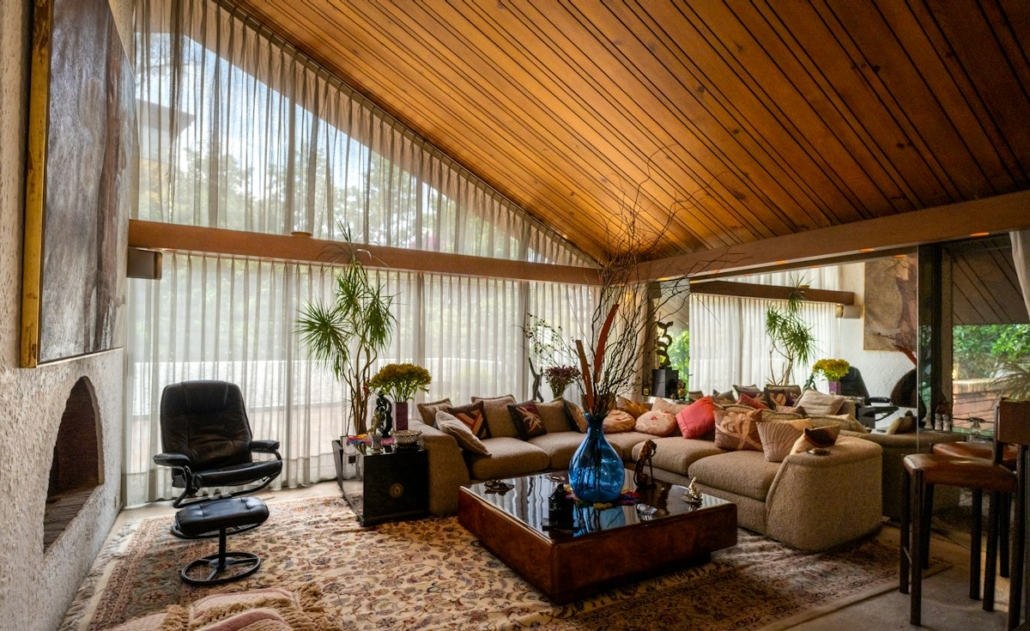
Table of Contents
For many people, the first time they see a residential mental health program in person is the day they arrive with a packed bag. A tour beforehand changes that. It turns an unknown place into a hallway you have walked down, a kitchen you have seen, and a name you can ask for when you call. It also has limits that surprise people, and knowing those limits ahead of time makes the visit more useful.
This guide explains how a pre-admission tour usually runs, what it is designed to show, what it deliberately does not show, and the questions worth asking while you are there.
What a Pre-Admission Tour Is
A tour of a residential mental health program is a pre-admission visit, in person or by video, in which a prospective resident or family member sees the shared living spaces, hears how a typical day is structured, and confirms practical details such as room sharing, phone use and visiting. It usually does not include meeting current residents or sitting in on a therapy group, because the people already in treatment have a right to privacy. According to the National Institute of Mental Health, 59.3 million U.S. adults had a mental illness in 2022 and only 50.6% of them received any mental health treatment in the past year, so for many families a tour is the first concrete look at what care actually involves.
Most tours are led by someone from the admissions team rather than a therapist or psychiatrist. That person can walk you through the schedule, the house rules and the admission steps. Clinical questions about a specific diagnosis or medication are usually better saved for the clinical assessment, which is a separate step.
How a Tour Usually Runs
The exact format varies by program, but a typical visit follows a familiar pattern:
- Scheduling. Tours are usually booked through the admissions line, not by walking in. Staff often time them for a part of the day when residents are in groups or out on an activity, which is why the common areas may look quieter than you expect.
- The walk-through. You will typically see a sample bedroom, bathrooms, the kitchen or dining area, group rooms and outdoor space. The room you see may not be the room assigned at admission.
- The schedule conversation. Expect an overview of a typical weekday and weekend: wake-up time, meals, individual sessions, groups, free time and lights-out.
- Logistics and paperwork. Many tours end with a short talk about insurance, what to bring, and the next step toward an admission date.
For people coming from farther away, a live video tour is often offered instead. It can cover the same ground, and it is worth asking whether the person on the call can walk to specific spaces you want to see.
If you would like to see the settings Bodhi works with, the facility tour page is a good starting point, and our admissions team can be reached at 877-883-0780 to arrange a visit.
Why a Tour Can Feel Different From What You Expected
Families sometimes leave a tour feeling as if they did not see the “real” program. That reaction is common, and there are understandable reasons behind it:
- Resident privacy: Staff will usually steer you away from occupied rooms and active groups so that no current resident is identified or overheard.
- Tour timing: Visits are often scheduled while residents are busy elsewhere, so the house can look emptier and quieter than it feels on an ordinary evening.
- Staff roles: The person guiding you is usually from admissions, so detailed answers about therapy approaches may need a follow-up call with a clinician.
- Room assignment: Rooms are assigned based on availability and clinical needs at the time of admission, so the bedroom on the tour is a sample, not a reservation.
- Your own stress: Anxiety, low mood or exhaustion can make it hard to take in details, which is one reason bringing a second person to take notes helps.
What Families Tend to Notice
In our experience helping California families arrange visits, the details people remember are rarely the ones on the brochure. They notice whether staff greet each other and residents by name, whether the kitchen looks used, whether there is somewhere quiet to sit outside, and how the person giving the tour handles a question they cannot answer on the spot. A plain “I will find out and call you back” tends to build more trust than a polished non-answer.
People who will be the resident often focus on something smaller: where they will sleep, whether they can keep their phone for part of the day, and whether there is a place to be alone for a few minutes. Those are fair things to ask about. Feeling safe in a space is part of being able to do the work of treatment there.
Questions to Ask on the Tour
Bring this list, printed or on your phone, and check items off as they are answered:
- What does a typical weekday look like from wake-up to lights-out, and how is the weekend different?
- How many individual therapy sessions are usually scheduled each week, and who provides them?
- How is psychiatric care handled, and how often does a resident usually see the prescriber?
- Are rooms shared, and how are roommates decided?
- What is the phone and device policy, and when can residents make calls?
- How and when can family visit or join a family session?
- What happens if a resident has a medical problem or a mental health emergency overnight?
- How does discharge planning work, and when does it start?
- What will my insurance likely cover, and has the benefits check already been completed?
The National Institute of Mental Health’s tips for talking with a health care provider recommend making a list of your questions beforehand and considering bringing a friend or relative who can help take notes. Both suggestions work just as well on a tour.
Something You Can Do Today
Before you book a tour, call your insurance plan or ask the admissions team to run a benefits check first. Seeing a program you like and then learning it is out of network is a hard way to spend an afternoon. You can start that process on the insurance verification page. Then, the night before the visit, write your three most important questions at the top of your list. If the tour runs short or you feel overwhelmed, those are the three you ask.
How a Tour Fits Into the Admission Process
A tour is usually one step among several. A typical sequence is a first phone call, an insurance check, a clinical assessment by phone or in person, the tour, and then an admission date. Some people tour before the assessment and some after. Neither order is wrong, but the clinical assessment, not the tour, is what determines whether a residential level of care is the right fit.
It is also fine to tour more than one program. Comparing two settings side by side often makes priorities clearer, and a good admissions team will understand that.
If Things Feel Urgent
A tour is a planning step, and residential programs are not emergency services. If you or someone you love is having thoughts of suicide or is in emotional crisis, call or text the 988 Suicide and Crisis Lifeline at 988, or chat at 988lifeline.org. SAMHSA describes 988 as offering 24/7 support for mental health, substance use and related concerns. If someone is in immediate danger, call 911 or go to the nearest emergency room. Planning a tour can wait until the person is safe.
Arranging a Visit
If you are weighing residential mental health treatment in Northern California for depression, anxiety, bipolar disorder, PTSD, OCD or panic disorder, seeing the setting first can make the decision feel less abstract. Call 877-883-0780 to ask about an in-person or video tour, an insurance check, or what the next step would look like for you or your family member.
This article is for educational purposes only and is not a substitute for professional medical advice, diagnosis or treatment. Always seek the advice of a qualified health care provider with questions about a mental health condition. If you are in crisis, call or text 988, or call 911 in an emergency.


